









TDB Supports Puretronics’ Contactless Load Sensor for Industrial Applications
What happened:The Technology Development Board (TDB) ( Under the Department of Science and Technology ) has backed Mumbai-based Puretronics India Pvt. Ltd. It has brought its contactless load...

What happened:
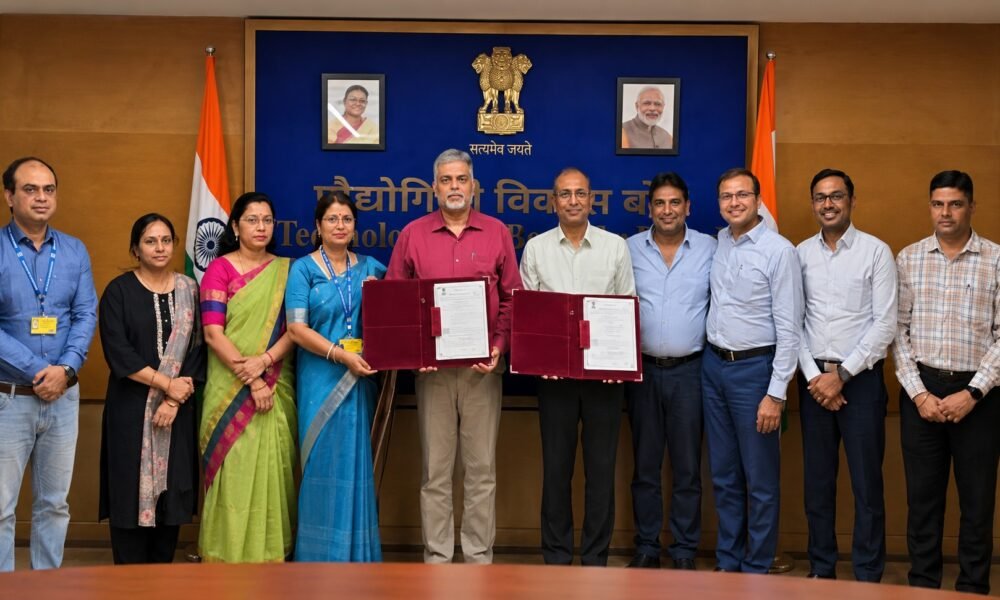
The Technology Development Board (TDB) ( Under the Department of Science and Technology ) has backed Mumbai-based Puretronics India Pvt. Ltd. It has brought its contactless load measurement technology to market. The company has developed the Load Magnetic Overload (LMO) Sensor. This is a system designed to measure loads without physical contact. This makes it a perfect option to conventional load cells.
Why it matters:
Reliable load monitoring is very important in industries where machines must operate safely and effectively. Mechanical or “standard” load sensors are often prone to performance degradation over time due to vibration and wear and tear. This is not only an inconvenience, but a long-term hindrance for these types of load sensors, as most will need to be maintained through regular servicing due to the way they measure loads. In contrast, Puretronics LMO sensor addresses this issue by using magnetic sensing technology to measure loads with no mechanical load bearing component or stress.
Further, it can integrate easily with current industrial automation platforms, including PLC, SCADA, IoT, etc., allowing manufacturers to use the sensor with minimal disruption to their existing operations.
Industry context:
As a result, there is a growing need for advanced load sensing technologies. Despite this growing need, many of these advanced sensors are imported and therefore contribute to India’s high level of import dependency. A “made in India” solution like Puretronics’ LMO sensor will help to eliminate some dependency on imports while providing manufacturers access to technology customised to meet the demands of local customers.
With TDB’s investment/financial backing, Puretronics will be able to increase the production capacity of its LMO sensor and, subsequently, increase the implementation rate of the sensor technology. This effort is part of a larger overall objective to improve the industrial technology ecosystem in India and to support the implementation of locally manufactured automation solutions; both for domestic (India) and international (global) clients.