








Gravis Robotics Raises $200 Million to Put Autonomous Excavation to Work
Construction has always been a difficult environment for automation. A construction site is constantly evolving, very different from a factory floor: ground conditions can shift, equipment can be put...

Construction has always been a difficult environment for automation. A construction site is constantly evolving, very different from a factory floor: ground conditions can shift, equipment can be put to use on other projects, and the work itself can involve working in an environment that is not predictable. Gravis Robotics has been looking to increase the use of physical AI here.
The Zurich-based firm has just closed a $200 million Series A investment by Softbank, which it calls the largest Series A back in the construction robotics space to date. The investment estimates Gravis to be worth approximately $1 billion, and it follows the company’s plans to roll out its independent earthmoving solution for the world.
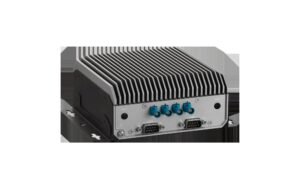
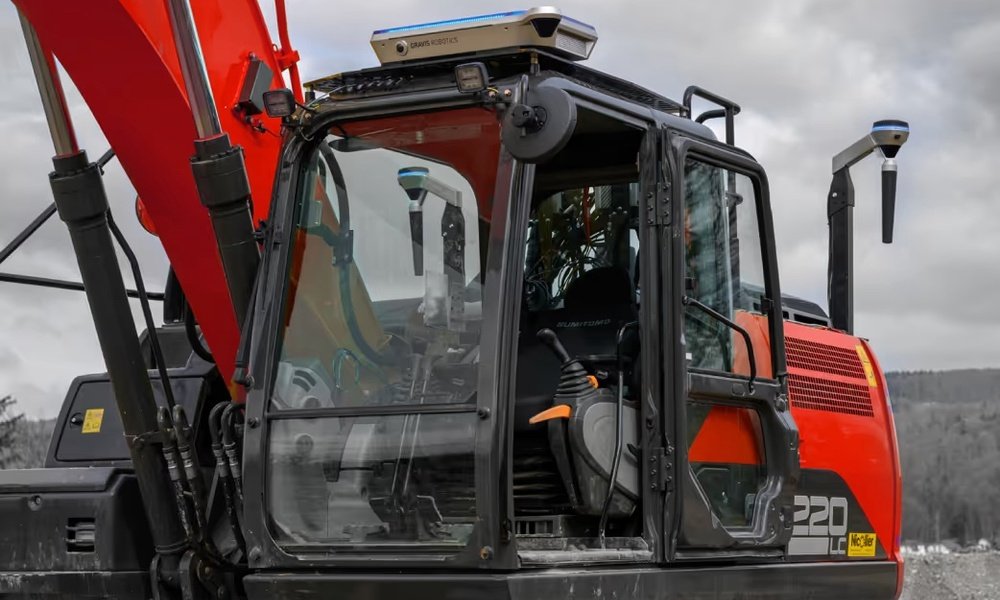
Gravis does not go out and create an entire new excavator, but rather there is a retrofit approach. Its Gravis Rack is used to provide computing, sensors and autonomous-control functions to existing construction equipment. It can be integrated with equipment from companies such as Caterpillar, John Deere, Volvo, JCB and other brands, without having to replace their current equipment fleets.
This is significant because construction equipment fleets are very diverse in nature. A technology that can run on multiple machine platforms may have a much wider adoption than one that is tied to a specific machine platform, as contractors have invested in different machine platforms over the years.
Gravis’ systems utilize LiDAR, cameras, GNSS and hydraulic sensing to give them context about the machine and the environment surrounding it. The firm states that its learning-based models are not pre-programmed but take into consideration the dynamic conditions on the ground.
Gravis has existing technology in a number of regions and has collaborated with firms such as Holcim and Taylor Woodrow
Robotics is taking a leap from warehouses and factories, into a world where robots must grasp terrain, physics, and constantly changing environments.