







Hitachi Plans Self-Repairing Factory AI
What happened: Hitachi intends to deploy AI that automatically diagnoses and fixes production-line breakdowns by rewriting software code. The system identifies a fault’s root cause and...
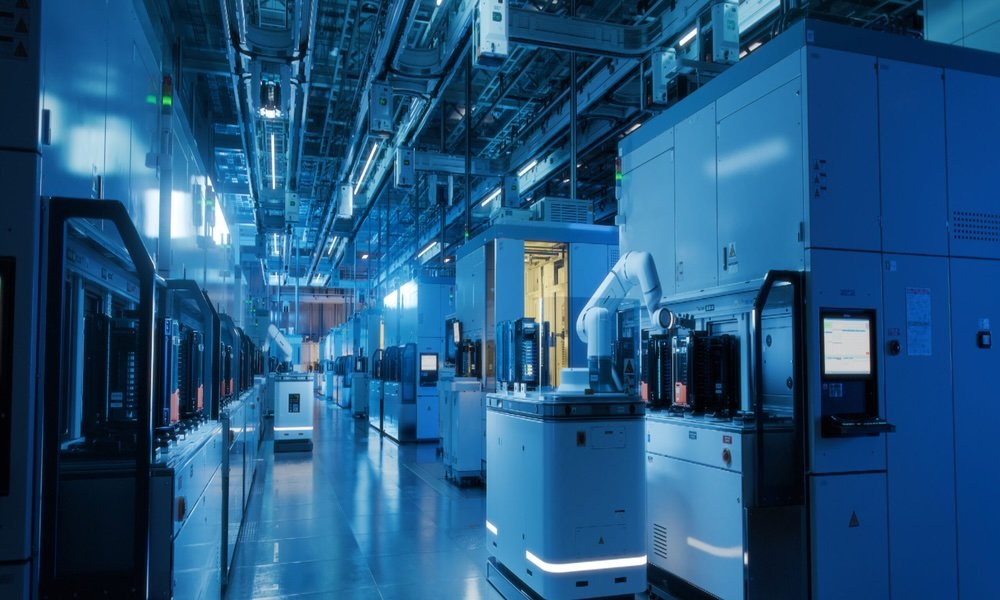
What happened: Hitachi intends to deploy AI that automatically diagnoses and fixes production-line breakdowns by rewriting software code. The system identifies a fault’s root cause and generates corrected code to restart stalled equipment within minutes
Why it matters: Conventional automation halts a line and waits for an engineer to diagnose and fix the problem. Hitachi’s system instead reads real-time sensor and controller data, then accesses the PLC to rewrite the relevant code and resume output. The company is testing the same aggressively on digital twins this year before using it on physical equipment.
Industry context: This is a step toward autonomous factories that run with minimal staffing, addressing Japan’s shortage of skilled technicians and low equipment utilization. Real-time code rewriting carries enhanced safety risks, and existing industrial safety frameworks were not built for autonomous code-modifying systems, creating possible certification hurdles. A successful version could be commercialized and added to Hitachi’s Lumada platform.
Our take: Automating the unpredictable aspects of factory operations—particularly failure response—is far more challenging than automating routine tasks. Regulatory readiness remains a key gating factor, requiring organizations to continuously adapt to an evolving threat landscape.