







Ethernet-APL Demonstrates Readiness for Large-Scale Process Automation
Digitalization in process industries is increasing, creating the need for communication among the field equipment and control system. Ethernet APL is emerging as a technology for next-generation...
Digitalization in process industries is increasing, creating the need for communication among the field equipment and control system. Ethernet APL is emerging as a technology for next-generation communication in process plants. However, an important question facing the industry is whether the technology can be used in large, complicated environments where different vendors are involved. There is now evidence showing that this is indeed the case.
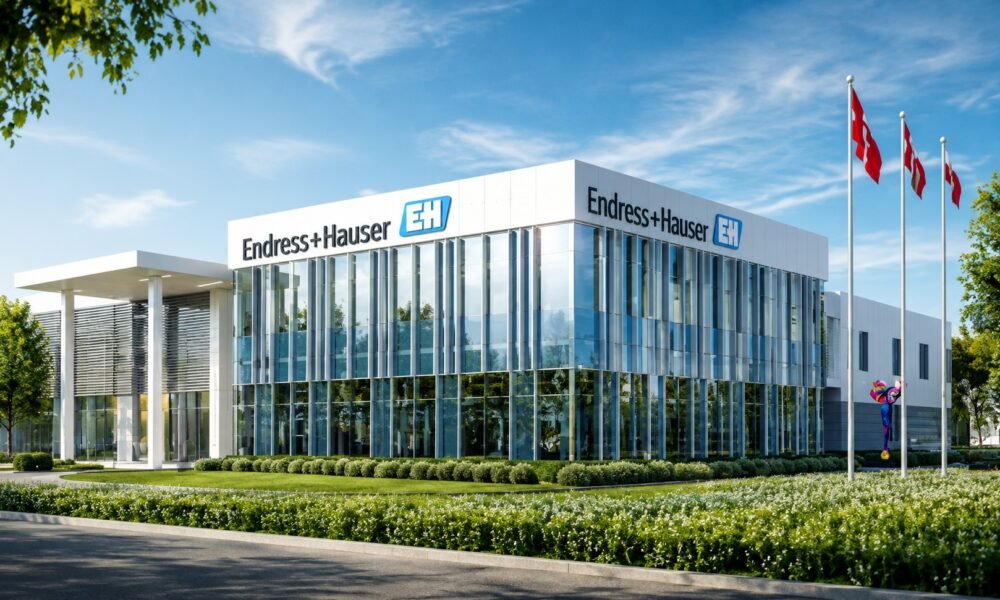
There was a recent testing done by Endress + Hauser, Covestro, BASF, and Yokogawa indicating that Ethernet APL technology has passed a significant large-scale testing process under realistic industrial conditions. This testing involved the integration of the Yokogawa CENTUM VP distributed control system for the very first time into the Ethernet APL network together with other tools coming from several vendors.
According to the results of the test session, the fully functional and efficient Ethernet APL technology was able to maintain stable performance along with the interoperability with other parts of the system. Thus, the recent validation builds upon the prior scalability tests of Ethernet APL.
Industry context
In the process industries, conventional fieldbus networks are increasingly being replaced with Ethernet solutions that bring benefits of enhanced visibility, faster data transfer, and better asset management. With Ethernet-APL technology, high-speed Ethernet connectivity is delivered directly to field instruments, including ones that operate in difficult conditions, allowing plants to gather more information in relation to operations whilst using the very same process infrastructure.
One of the issues that go along with the use of industrial communication technologies is the provision of interoperability between equipment supplied by different vendors of automation. The majority of chemical and processing companies have a variety of systems like the distributed control systems, instruments, network switches, and asset management software from a number of manufacturing companies.
Successful scalability test results show the maturing of the ecosystem built around Ethernet-APL. Manufacturers continue investing in the area of digitalization of process plants and in the sphere of predictive maintenance and Industrial IoT technologies.