







Beyond the Control Room: 6 High-Impact Ways Process Automation Is Transforming the Energy Sector
Automation until recently was predominantly associated with the control room, distributed control systems (DCS), programmable logic controllers (PLCs) and SCADA platforms, all of which kept energy...

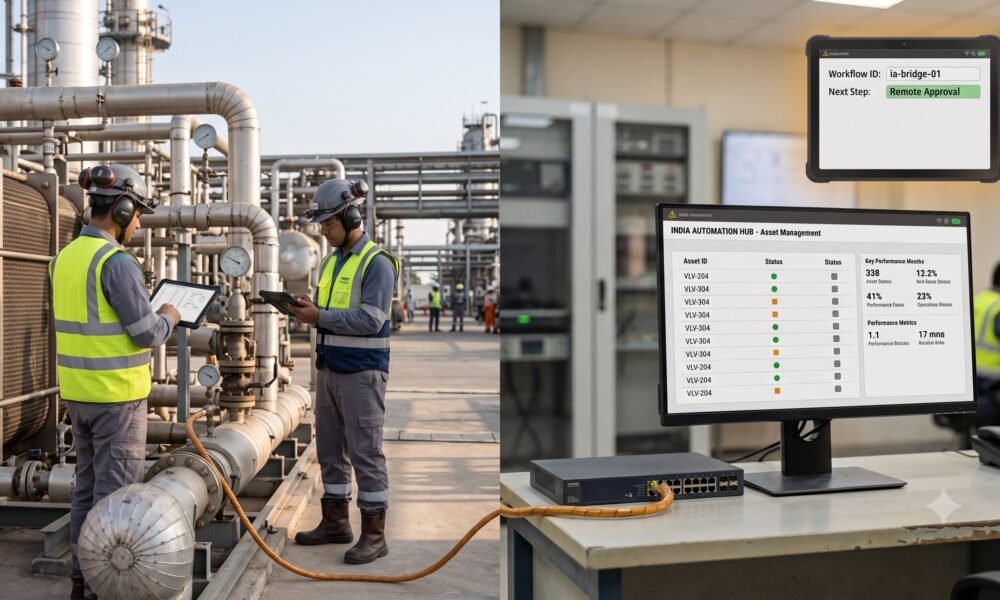
Table Of Content
- 1. Standardizing Operations Across Complex Energy Assets
- 2. Making Health and Safety Compliance Continuous, Not Reactive
- 3. Reinventing HR for a New Energy Workforce
- 5. Turning Sustainability Reporting Into a Real-Time Business Process
- 6. Building Quality Into Every Stage of Operations
- Why Automation Works Best When It Connects the Entire Business
Automation until recently was predominantly associated with the control room, distributed control systems (DCS), programmable logic controllers (PLCs) and SCADA platforms, all of which kept energy production safe. Although these technologies continue to be the foundation of industrial operations, the scope of the process automation has grown beyond pumping monitoring, pipeline management and asset trackers.
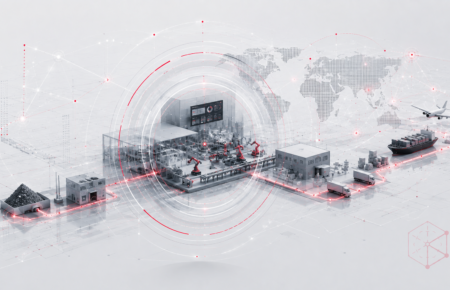
Energy companies are reimagining the way work happens across the enterprise today. Whether a new field engineer has been hired, or the procurement approval process is automated, to the digital inspection of the environment, process automation is quietly changing the way energy businesses operate. The days where process automation was restricted to industrial equipment are behind us in this environment. It is emerging as the “glue” that connects humans, process and information throughout the organization.
These are 6 of the most impactful process automation use cases transforming how energy is managed today.
1. Standardizing Operations Across Complex Energy Assets
Difficulties in the energy industry are one of them keeping uniformity across wide-spreading operations. An oil and gas company can manage offshore platforms, wells and drilling rigs, refineries, storage tanks and pipelines in various locations. Similarly, utilities and renewable energy providers have thousands of distributed assets, producing vast amounts of data from these assets.
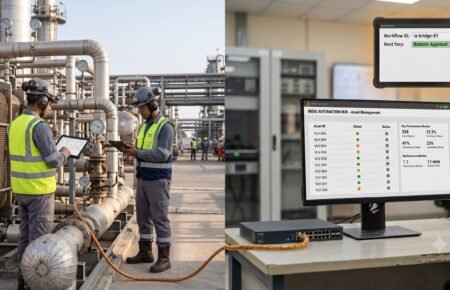
If workflows are not standardized, then various locations may develop their own processes for inspections, reporting, maintenance approval and operating procedures. This results in conflict, duplication of work, and delayed decision making. Process automation contributes to the development of a common operating model. Instead of using spreadsheets, emails and paper, then, standard operating procedures (SOPs) can be digitized, approvals can be automatically triggered, and all facilities can follow the same process no matter where they are located.
Information, for instance, on maintenance requests may be automatically directed to the required engineering team according to asset type and criticality. Standardized digital forms can be used to produce inspection reports and dashboards give management instantaneous operational performance insights from several facilities. Standardization, in addition to being conducive to efficiency, also improves the quality of data.
2. Making Health and Safety Compliance Continuous, Not Reactive
From the beginning of the energy industry, safety has been within the central point of attention. With the growing complexity of activities and the emergence of ever-growing regulations, conventional approaches to safety management are no longer effective. Traditional management practices are based on manually produced checklists, inspections, and reporting. Though they used to be effective years ago, they can lead to delays, contradictions, and even errors.
Automation is reshaping the way companies approach health, safety and environmental (HSE) compliance. Digital inspection checklists guarantee that all safety processes are followed without fail before starting work. An automatically preempted workflow can be used to prevent the workflow from moving forward if a required step is not completed, until compliance is achieved.
The other one is audit readiness. All the inspections, approvals and corrective actions are recorded digitally, and there is a full audit trail for regulators or in-house auditors to view as needed. Compliance is no longer limited to administrative tasks; it’s about instilling safety into the core of everyday business operations.
3. Reinventing HR for a New Energy Workforce
Automation is a topic that has traditionally been discussed in engineering and production but HR is now a space where digital workflows are making an impact. The energy industry is undergoing a major shift in workforce. There is a shortage of experienced workers and companies seeking digitally qualified workers to work with increasingly advanced technology.
Finding and keeping staff is as crucial as managing physical resources. By minimizing repetitive administrative tasks and enhancing employee experience, automation optimizes HR processes. New employees can fill out paperwork online prior to starting onsite. Training plans are automatically generated for job roles and certifications and safety inductions will be required. Managers get reminders when certifications are about to expire, minimising compliance risks.
Automated workflows can even be used for expense reimbursement, leave, travel and performance reviews – no more lengthy email threads. Most importantly, automation saves HR teams the time and effort of filling out paperwork and the time they spend on workforce development. In addition to new technologies, developing a skilled workforce is becoming a key component in the journey towards digital transformation.
- Streamlined and Intelligent Workflow Automation
Within the organisation, procurement is one of the most business critical functions as there is a lot of capital expenditure involved with energy projects. Whether it’s drilling equipment, industrial valves, electrical components, chemicals, or just equipment maintenance, procurement teams must balance cost, quality, supplier performance and compliance with regulations.
Paper-based procurement methods can bog down projects with various layers of approvals, disorganized communication, and disjointed paperwork. Automation = speed and transparency. Approval can be cascaded in a pre-established process, based on a predetermined spending limit for the project or a need for funds. Documentation from vendors can be verified prior to purchasing orders and contract renewals to avoid disruption of services.
5. Turning Sustainability Reporting Into a Real-Time Business Process
Over the last 10 years, environmental reporting has seen a radical transformation. Energy companies will be required to be much more transparent about their greenhouse gas emissions, energy use, water consumption, waste production and environmental performance than ever before. A large number of organizations still gather this information from various departments by manual methods, which are time-consuming and lead to inconsistent data. This is easier with automation.
Operating systems are capable of automatically recording emissions information from production equipment, collecting utility use data, gathering waste management information and collating environmental data into central dashboards. Sustainability teams have real-time data on the environmental performance rather than waiting until the end of a reporting period.
Additionally, automation helps to meet changing ESG requirements by minimizing manual reporting workload and enhancing data quality. Beyond that, organizations can go beyond historical performance and look for ways to improve their operations. Automated alerts can be set up to alert the user when energy usage is above a target or when emissions are higher than anticipated, so that corrective action can be taken before sustainability targets are breached.
6. Building Quality Into Every Stage of Operations
Quality is critical in all segments of the energy industry, from exploration and production to refining, power generation and equipment manufacturing. Typical quality management methods rely on manual checks, paper documentation, and postponed reporting. It is possible to take a much more proactive approach with automation.
Readily digitized inspection workflows guarantee that all quality checks are carried out in the same way. The results of the inspections can be entered directly via mobile device, thus avoiding paper and making the information readily available throughout the organization. In the event of quality deviations, automated workflows alert the appropriate teams, trigger root cause investigations, assign corrective actions and track progress until the problem is solved.
Integration with operational systems also allows quality teams to analyse the production lines’ trends, suppliers’ or facilities. Organizations can identify patterns earlier, and take preventive measures, before a product leaves the facility and/or equipment breaks down. The results are more consistency, better regulatory compliance and greater customer confidence.
Why Automation Works Best When It Connects the Entire Business
The misunderstanding about process automation is that it can only be of value to one department. What it really excels at is in linking up functions that have otherwise worked independently. Think about a maintenance inspection which can detect equipment deterioration. An automated workflow can send notifications to operations, initiate procurement requests for replacement parts, update inventory records, schedule repair work and track compliance activities, all while keeping your worker in the maintenance department.
Previously, it took several emails, phone calls, spreadsheets and manual approvals to get it done, now it’s a connected digital process. This integration helps to make decisions quickly and minimize delays in operations. Deloitte says companies that effectively expand digital transformation beyond production systems to the entire business will be more likely to enhance operational resilience, workforce productivity, and long-term profitability.
Conclusion
The energy sector is facing one of its largest ever shifts. Advanced control systems are still driving production optimization, but business process automation is the next major source of value added.
From standardized operations, digital safety management, intelligent HR workflows, automated procurement, real-time sustainability reporting to connected quality management, automation is making a difference beyond the plant floor.
Process automation will become the backbone of sustainable, efficient, and resilient operations, supporting energy companies as they adapt to market uncertainties and changing regulations and sustainability demands. The question is not where automation can be used, but how fast organizations can scale up and implement automation throughout the enterprise.