






Rockwell Puts AI to Work on the Industrial Cybersecurity Problem
The company has joined Anthropic’s Project Glasswing, gaining controlled access to Claude Mythos 5 to explore how advanced AI can accelerate vulnerability discovery, validation, prioritisation and...
The company has joined Anthropic’s Project Glasswing, gaining controlled access to Claude Mythos 5 to explore how advanced AI can accelerate vulnerability discovery, validation, prioritisation and remediation across software and connected industrial systems.
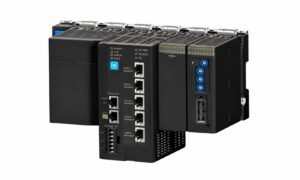
The move comes as factories become more dependent on connected OT and IT environments. PLCs, industrial networks, engineering software and enterprise systems are increasingly linked, expanding the potential attack surface while making cybersecurity a direct operational concern.
Vulnerabilities in industrial software can have consequences beyond a compromised application. They can affect production systems, supply chains and the availability of critical operations. Project Glasswing is designed around that problem. Anthropic launched the initiative in April 2026 with a group of major technology and cybersecurity organisations, giving approved defenders access to its high-end cybersecurity model. Anthropic says participants had identified more than 10,000 high- or critical-severity vulnerabilities within the first month of the programme.
Rockwell now becomes part of that defensive effort, using AI to examine the systems that underpin industrial environments.
The significance is not that AI can find bugs. Security tools have been doing that for years. The shift is in how quickly AI can analyse large and complex codebases, connect findings and help security teams decide what needs attention first. For manufacturers, that could shorten the distance between finding a vulnerability and doing something about it.
It also points to a broader change in industrial cybersecurity. As AI makes vulnerability discovery faster, manufacturers may have less room for slow, periodic security processes. Continuous assessment, faster validation and shorter remediation cycles could become increasingly important.
Rockwell’s Glasswing participation is therefore less about adding AI to cybersecurity as a feature and more about testing whether AI can help industrial defenders keep pace with a rapidly changing threat environment.