






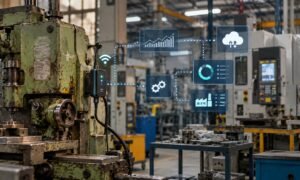


Durst and TUM Venture Labs Join Forces to Explore AI and Robotics for Future Manufacturing
What happened: The innovation and startup ecosystem TUM Venture Labs has signed a multi-year cooperation to look into new uses for robotics, artificial intelligence and automation in industrial...


What happened:
The innovation and startup ecosystem TUM Venture Labs has signed a multi-year cooperation to look into new uses for robotics, artificial intelligence and automation in industrial production processes, said the Durst Group.
The alliance entails Durst becoming the first Italian company to become part of the network of TUM Venture Labs. The collaboration will involve working with startup teams, researchers and technology experts to create solutions to address manufacturing problems in the real world.
Why it matters:
AI, robotics, and intelligent systems are catching the attention of manufacturing companies as new ways to boost productivity, flexibility, and efficiency in operations, even beyond automation.
Many firms are adopting startup ecosystems and research institutions to foster innovation and speed up the process of developing these technologies.
The collaboration provides Durst with direct access to new technologies, entrepreneurial talent, and early-stage startups developing new automation solutions. It is a chance for startups to validate and improve technologies by testing them in real, industrial application scenarios and not only in a theoretical context.
Industry context:
AI, robotics and industrial automation are changing the ways factories work. Manufacturers are transitioning toward a more connected production environment where machines, software and data systems collaborate to continuously optimize production processes. This change is driving a need for technologies that can automate complex workflows, enhance decision making and adjust to the changing production needs while requiring minimal human input.
These are steps toward the intelligent and increasingly autonomous production environment of the future, explains Durst, who is a leader in industrial digital printing systems. The partnership aims to provide the company with practical manufacturing challenges involving automation, robotics, process control with AI and production workflows.
The innovations of this process might have use in other manufacturing areas where automation and productivity issues are the same. Another noteworthy trend of closer cooperation between industry, academia and start-ups is also evident in the partnership. With the emergence of new technologies like AI and robotics, companies are turning to innovation ecosystems to help them move from research and experimentation to the industrial deployment of new technology.