





Best factory automation solution providers in India
Explore leading factory automation companies in India, key selection factors, industry trends and top solution providers for modern manufacturing Indian manufacturing is becoming more automated, with...

Table Of Content
- Why factory automation is important for Indian industry
- How to choose the right factory automation solution
- Factory automation companies in India
- Mitsubishi Electric
- Omron
- Bosch Rexroth
- Festo
- SMC
- Delta Electronics
- Yaskawa
- Parker Hannifin
- Key trends shaping the factory automation market
- Frequently Asked Questions
- 1. What should manufacturers look for when evaluating factory automation companies in India?
- 2. What are factory automation solution providers?
- 3. Is factory automation useful for small and medium-sized manufacturers?
- 4. How does automation improve manufacturing quality?
- 5. Why is system integration important in factory automation?
Explore leading factory automation companies in India, key selection factors, industry trends and top solution providers for modern manufacturing
Indian manufacturing is becoming more automated, with companies looking to improve productivity, reduce downtime, maintain consistent quality, and make factories safer. Automation is now used widely across industries like automotive, electronics, pharmaceuticals, food processing, packaging, and logistics.
The demand for factory automation companies in India is growing as manufacturers adopt technologies like programmable logic controllers, robotics, industrial sensors, motion-control systems, human-machine interfaces, and connected monitoring platforms. But choosing the right automation partner is not just about comparing products. Manufacturers also need to assess system compatibility, technical support, scalability, and industry experience.
Different factory automation solution providers have different strengths. While some may specialise in robotics and motion control, others could be focusing on pneumatics, sensing, industrial software, machine control, or integrated automation systems. Understanding these strengths can help manufacturers make better long-term decisions.
Why factory automation is important for Indian industry
Manufacturers face growing pressure to produce faster, reduce errors, improve quality, and compete in domestic and export markets. Factory automation helps by making production more consistent, reducing manual intervention, and improving control over industrial processes.
It also improves workplace safety by reducing the need for workers to perform repetitive, hazardous, or physically demanding tasks. In sectors like pharmaceuticals, food processing, and electronics, automation also supports traceability, inspection, and process standardisation.
Modern automation systems use sensors, industrial software, supervisory control and data acquisition systems, robotics, and connected equipment to provide real-time visibility across the factory floor. This helps plant managers identify bottlenecks, monitor equipment performance, and plan maintenance before failures disrupt production.
How to choose the right factory automation solution
Before selecting a factory automation solution provider, manufacturers should evaluate both technical capability and long-term support.
Compatibility is one of the most important factors. New automation systems should work smoothly with existing machinery, especially in factories that still use older equipment. Buyers should also assess interoperability between controllers, sensors, drives, robotics, software platforms, and communication protocols.
Scalability is important too. A good automation system should support future expansion without requiring a complete replacement of existing infrastructure. This is especially relevant for manufacturers planning phased upgrades.
Local technical support can also influence the success of a project. Availability of commissioning engineers, spare parts, maintenance services, and operator training can reduce implementation risks and improve system uptime.
Cybersecurity has become another major consideration as manufacturing systems get more connected. Organisations should choose vendors supporting secure communication, access management, software updates, and lifecycle protection.
Finally, buyers should consider the total ownership cost rather than just the initial purchase price. Maintenance, energy efficiency, software licensing, lifecycle support and upgrade flexibility all have a bearing on long-term value.
Factory automation companies in India
Mitsubishi Electric
Mitsubishi Electric offers factory automation technologies like programmable logic controllers, human-machine interfaces, servo systems, industrial robots, variable frequency drives, computer numerical control systems, and industrial software.
Its solutions are used in automotive manufacturing, packaging, electronics, machine building, and process industries. Manufacturers often consider Mitsubishi Electric when they need automation products that can work within a connected control architecture. Buyers should assess product compatibility and local engineering support before implementation.
Omron
Omron is known for sensors, safety components, programmable logic controllers, motion controllers, machine vision systems, robotics, and inspection technologies.
Its solutions are used in electronics, food processing, pharmaceuticals, packaging, and consumer goods manufacturing. Omron’s strength lies in sensing, control, safety, and quality inspection, making it relevant for manufacturers seeking better production consistency and traceability. Organisations should assess integration requirements, especially where multiple automation platforms are already in use.
Bosch Rexroth
Bosch Rexroth provides automation solutions across motion control, linear technology, hydraulics, electric drives, industrial controls, and connected manufacturing systems. Its technologies are used in machine tools, factory equipment, material handling, and industrial production environments.
The company supports modular automation architectures, which can help manufacturers adapt systems as production needs change. It is particularly relevant for applications that require advanced motion control, flexible manufacturing, and engineering support.
Festo
Festo specialises in pneumatic and electric automation technologies used across manufacturing industries. Its portfolio includes pneumatic actuators, valves, motion control products, sensors, electric drives, and automation software.
The company serves sectors such as food processing, automotive, electronics, life sciences, and packaging. Festo is also known for technical training programmes that help manufacturers build automation skills within their workforce. Buyers should consider maintenance practices, compressed air efficiency, and long-term operating costs.
SMC
SMC focuses mainly on pneumatic automation and fluid control solutions. Its products include cylinders, valves, air preparation equipment, vacuum systems, fittings, and automation components.
These technologies support automated assembly lines, material handling, packaging systems, and process automation. Manufacturers seeking reliable pneumatic components often evaluate SMC because of its wide product range and application coverage. Correct equipment sizing and compressed air quality management are important for long-term performance.
Delta Electronics
Delta offers industrial automation solutions such as programmable logic controllers, human-machine interfaces, alternating current drives, servo systems, industrial networking products, machine vision, energy management solutions, and industrial software.
The company serves industries such as textiles, packaging, electronics, and machine manufacturing. Delta is often considered by organisations looking for automation technologies that support productivity as well as energy efficiency. Manufacturers should assess software integration, scalability, and compatibility with existing machine communication systems.
Yaskawa
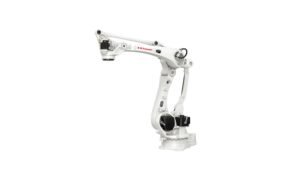
Yaskawa is recognised for industrial robots, servo drives, motion control systems, variable frequency drives, and automation controllers. Its robotic automation technologies are used in welding, material handling, palletising, assembly, and machine-tending applications.
Manufacturers planning higher levels of robotic automation may consider Yaskawa for applications requiring precision, repeatability, and consistent output. Successful deployment requires careful process analysis, operator training, and integration with upstream and downstream production systems.
Parker Hannifin
Parker provides motion and control technologies covering hydraulics, pneumatics, filtration, fluid handling, electromechanical systems, and industrial controls.
Its automation products support sectors such as industrial machinery, aerospace, transportation, and process industries. Parker’s broad engineering portfolio allows manufacturers to address several motion control and fluid handling requirements within a single project. Buyers should evaluate service availability, maintenance planning, and compatibility with existing automation architecture.
Key trends shaping the factory automation market
Factory automation is evolving as Indian manufacturers invest in connected and data-driven production systems. One major trend is the growing adoption of Industrial Internet of Things technologies, which connect production equipment with software platforms for real-time monitoring and analytics.
Predictive maintenance is another important area. Advanced sensors, machine learning, and analytics help manufacturers identify equipment issues before breakdowns occur. This can reduce unplanned downtime and improve maintenance planning.
Industrial robotics is also expanding beyond automotive manufacturing into food processing, pharmaceuticals, logistics, electronics assembly, and warehousing. Collaborative robots are becoming more relevant where human workers and automated systems operate in shared spaces.
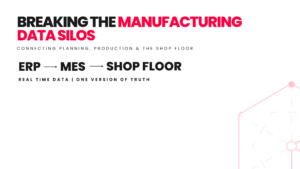
Software integration is now central to factory modernisation. Manufacturers increasingly want platforms that connect programmable logic controllers, supervisory control and data acquisition systems, manufacturing execution systems, quality inspection tools, and enterprise resource planning software. This helps improve visibility and supports data-based decision-making.
Energy efficiency remains an important priority. Automation systems that monitor utilities, optimise energy consumption, and improve equipment utilisation are gaining attention as companies seek to reduce costs and meet sustainability goals.
Choosing the right factory automation solution provider requires a clear understanding of operational needs, not just a comparison of brands or products. Every factory has different production processes, legacy systems, compliance requirements, budgets, and expansion plans.
The leading factory automation companies in India offer strengths across robotics, motion control, pneumatics, industrial software, sensing technologies, machine control, and connected manufacturing. The right choice depends on the application, integration needs, long-term cost, technical support, and future scalability.
With careful planning and the right technology partner, manufacturers can improve productivity, reduce downtime, strengthen quality control, and build more resilient factory operations.
Frequently Asked Questions
1. What should manufacturers look for when evaluating factory automation companies in India?
Manufacturers should evaluate system compatibility, scalability, after-sales support, software integration, cybersecurity, total cost of ownership, and the supplier’s experience in their industry.
2. What are factory automation solution providers?
Factory automation solution providers offer technologies such as programmable logic controllers, robotics, industrial sensors, motion control systems, automation software, and integration services to improve factory operations.
3. Is factory automation useful for small and medium-sized manufacturers?
Yes. Many automation projects can be implemented in phases, allowing smaller manufacturers to improve productivity and quality without replacing the entire production system at once.
4. How does automation improve manufacturing quality?
Automation improves manufacturing quality by standardising production processes, reducing manual errors, enabling real-time monitoring, supporting automated inspection, and improving traceability.
5. Why is system integration important in factory automation?
System integration allows machines, software, and production processes to share information smoothly. This improves visibility, maintenance planning, process control, and overall factory efficiency.