






Best smart factory solution providers in India
Explore leading smart manufacturing companies in India offering automation, robotics, industrial software, and smart factory solutions for manufacturers Factories in India are changing as companies...

Table Of Content
- Why smart factories are important for India
- How to choose the right smart factory solution
- Smart manufacturing companies in India you should know about
- Panasonic
- Bosch Rexroth
- Schneider Electric
- Delta Electronics
- Festo
- Mitsubishi Electric
- Siemens
- Rockwell Automation
- Key trends shaping this market
- Frequently asked questions
- 1. What is a smart factory?
- 2. Which industries benefit from smart factory technologies?
- 3. How should businesses compare smart manufacturing companies in India?
- 4. Can existing manufacturing plants be upgraded into smart factories?
Explore leading smart manufacturing companies in India offering automation, robotics, industrial software, and smart factory solutions for manufacturers
Factories in India are changing as companies use digital technologies to improve productivity, quality and operational visibility. Manufacturers are adopting automation, robotics, industrial software, connected equipment, and data analytics to monitor factory operations in real time, make faster decisions, and reduce machine downtime.
Many organisations are evaluating smart manufacturing companies in India to modernise factories and support long-term digital transformation. A smart factory is not built around one machine or one technology. It connects machines, software, sensors, controllers, and data systems so that production environments can operate more efficiently.
Choosing the right smart factory solution provider requires careful assessment of system integration, implementation capability, scalability, cybersecurity, interoperability, and long-term service support.
Why smart factories are important for India
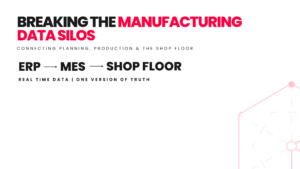
Smart factories help companies connect production equipment, factory-floor machines, industrial software, programmable logic controllers (PLCs), supervisory control and data acquisition (SCADA) systems, quality systems, and connected sensors into a unified operating environment.
This makes it easier to monitor production, plan maintenance, improve quality inspection, track performance, and make data-driven decisions. For Indian manufacturers competing in domestic and export markets, smart factories can improve traceability, reduce manual intervention, optimise energy consumption, and support predictive maintenance.
These capabilities help organisations increase production efficiency while preparing for future digital manufacturing requirements.
How to choose the right smart factory solution
Selecting a smart factory platform should begin with a clear understanding of production processes, existing automation infrastructure, and long-term business goals. Buyers should assess how well the platform works with current industrial software, automation systems, robotics, sensors, controllers, and enterprise applications.
Other important factors include interoperability, cybersecurity, scalability, analytics capabilities, implementation expertise, after-sales support, software compatibility, and total cost of ownership.
Organisations comparing intelligent manufacturing vendors in India should also consider industry-specific experience, availability of local engineering services, and future expansion requirements.
Smart manufacturing companies in India you should know about
Panasonic
Panasonic provides factory automation technologies, industrial devices, sensors, machine vision systems, and manufacturing solutions that support connected production environments. Its portfolio is relevant for manufacturers seeking greater automation and production visibility.
Buyers should assess compatibility with existing equipment, integration requirements, and future digitalisation plans before deployment.
Bosch Rexroth
Bosch Rexroth offers automation technologies, motion control systems, industrial hydraulics, robotics, and connected manufacturing solutions. Its portfolio supports manufacturers seeking flexible production systems and greater operational efficiency.
Companies considering Bosch Rexroth should assess integration complexity, application suitability, and compatibility with existing production infrastructure.
Schneider Electric
Schneider Electric provides automation technologies, energy management systems, digital manufacturing software, and industrial control solutions. Its portfolio helps manufacturers improve operational efficiency, sustainability, and production visibility.
Buyers should evaluate whether Schneider Electric’s solutions integrate smoothly with existing factory systems and support long-term implementation needs.
Delta Electronics
Delta Electronics offers automation products such as logic controllers, motion control systems, human-machine interfaces, drives, and factory automation solutions. Its technologies help manufacturers improve production line performance and operational control.
Companies considering Delta Electronics should assess software compatibility, local technical support and integration with existing machine communication systems.
Festo
Festo specialises in industrial automation, pneumatic systems, motion control, and technical training. Its products support flexible manufacturing and automated production across sectors such as automotive, electronics, food processing, and packaging.
Buyers should evaluate application suitability, maintenance requirements, and implementation complexity before selecting Festo solutions.
Mitsubishi Electric
Mitsubishi Electric provides factory automation technologies, including logic controllers, robotics, motion control systems, industrial software, and manufacturing control systems. Its solutions help companies improve production efficiency and support connected manufacturing environments.
Organisations should assess interoperability with existing automation systems and consider future production requirements before implementation.
Siemens
Siemens offers industrial automation, manufacturing software, digital twins, manufacturing execution systems, and smart factory solutions. Its technologies support connected production environments and digital manufacturing initiatives.
Companies considering Siemens should evaluate implementation requirements, compatibility with existing systems, software integration, and long-term scalability.
Rockwell Automation
Rockwell Automation provides automation systems, manufacturing software, programmable logic controller platforms, industrial networking, and digital manufacturing technologies. Its solutions are widely used by manufacturers seeking connected production environments.
Buyers should assess software licensing, lifecycle support, integration requirements, and compatibility with existing factory infrastructure.
Key trends shaping this market
Smart factory adoption continues to grow as manufacturers invest in Industry 4.0 technologies that combine automation, robotics, Industrial Internet of Things technologies, cloud computing, and artificial intelligence. Connected sensors now generate real-time production data that supports predictive maintenance, quality inspection, and production optimisation.
Artificial intelligence is increasingly used to analyse manufacturing data, identify potential equipment failures before they occur, and improve production scheduling. Digital twins and simulation technologies are also helping manufacturers test process improvements before making physical changes on the factory floor.
Edge computing is becoming more common because it enables faster processing of operational data near production equipment. At the same time, cybersecurity remains a key priority as operational technology networks become more connected with enterprise information technology systems.
Manufacturers are also modernising existing plants by integrating new technologies with legacy automation equipment rather than replacing entire production lines. This makes interoperability an important purchasing consideration.
The market for smart manufacturing companies in India includes automation specialists, industrial software providers, robotics companies, and digital manufacturing experts. These providers support connected production environments and help manufacturers improve visibility, efficiency, and operational control.
Choosing the right partner depends on business goals, plant maturity, integration requirements, scalability, cybersecurity, implementation expertise, and after-sales support.
Organisations evaluating intelligent manufacturing vendors in India should also consider future expansion plans, compatibility with existing systems, and long-term digital transformation goals. A structured evaluation can help manufacturers invest in smart factory technologies that improve productivity and strengthen long-term competitiveness.
Frequently asked questions
1. What is a smart factory?
A smart factory uses automation, industrial software, sensors, robotics, and data analytics to improve manufacturing efficiency, visibility, quality, and decision-making.
2. Which industries benefit from smart factory technologies?
Industries such as automotive, pharmaceuticals, electronics, food processing, engineering, logistics, chemicals, and consumer goods commonly use smart factory solutions.
3. How should businesses compare smart manufacturing companies in India?
Businesses should compare integration capability, interoperability, cybersecurity, implementation expertise, scalability, local technical support, and total cost of ownership.
4. Can existing manufacturing plants be upgraded into smart factories?
Yes. Many manufacturers modernise existing plants by adding digital technologies to current automation systems. This allows phased upgrades without replacing all equipment at once.