






AI Vision Is Emerging as the Next Frontier in Smart Manufacturing
The next step in factory automation is the expectation of intelligent actions from the machines, such as understanding their environment and making decisions, and this is currently underway. Vision...

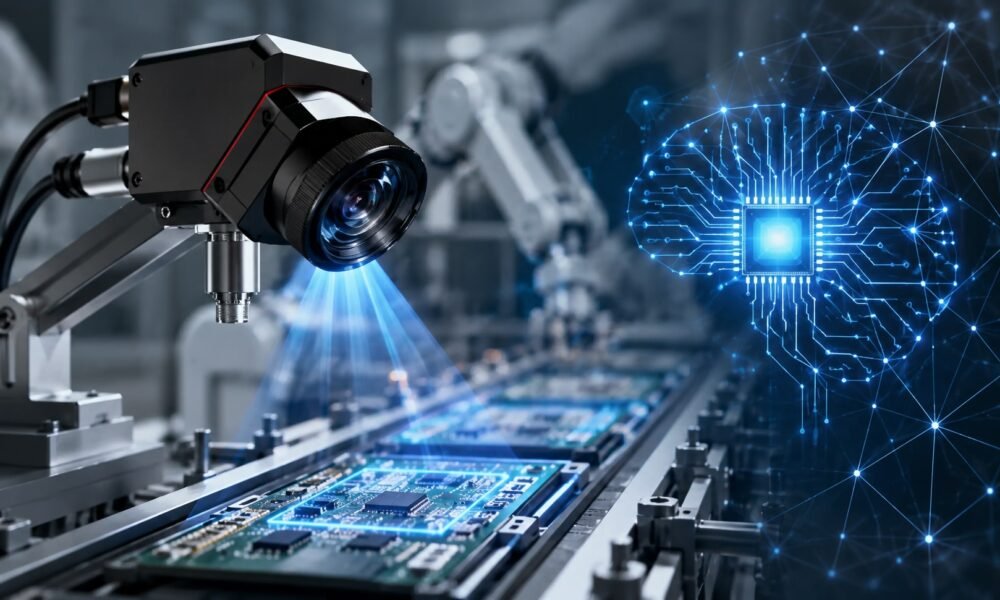
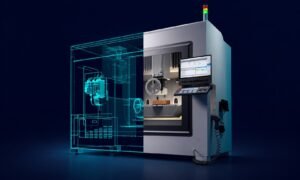
The next step in factory automation is the expectation of intelligent actions from the machines, such as understanding their environment and making decisions, and this is currently underway. Vision System is playing an increasingly vital role in the automation of inspection.
In tandem, Mitsubishi Electric and Sony Semiconductor have signed an agreement to create a joint venture for developing vision sensor solutions with AI technology for industrial manufacturing processes. The new company, Advanced Vision Solutions Co., Ltd. will commence operations in October, 2026. It will merge Sony’s image sensor technology and edge AI with Mitsubishi Electric’s factory automation technology to create technology for analyzing image data close to the image sensor.
The systems are expected to give manufacturers an ability to control the production lines, detect the defects, monitor equipment state and assist in automated decision making with minimal human intervention. The partnership also seeks to combine visual information with other manufacturing data to develop multimodal manufacturing systems which can supply greater insight into the machine performance, product quality and maintenance needs.
Industry context
Machine vision has been a key component of industrial automation systems, especially in inspection and quality control processes, for many years. But the progress of edge AI is changing the role of vision sensors from mere images to intelligent systems that can handle data and share its meaning in real time and push for automation without depending on cloud computing resources to an excessive degree.
The transformation continues to drive the spread of physical AI in manufacturing, where robots, machines, and systems of automation can sense their surroundings, analyze them, and take decisions without human intervention, enhancing production efficiency. Companies are leveraging AI-powered vision systems to address labor scarcity and the rising demand for quality, enhancing the efficiency of their operations.
AI-powered vision systems are helping industries deal with labor shortages and quality requirements, boosting productivity without relying on human inspection. In this context, the tie-up between the two manufacturers, Mitsubishi Electric and Sony, can be seen as part of this industry trend focused on combining sensing, AI and factory automation into a single solution. With the ongoing trend of smarter and more autonomous production environments, AI-based vision system technology is likely to serve as an enabler of predictive maintenance, adaptive manufacturing, and next generation industrial automation.