





FLIR Moves Thermal Cameras From Maintenance Tools Into Fire Alarm Systems
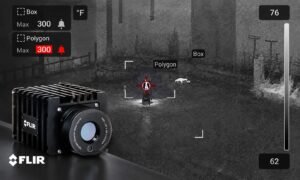
Thermal cameras have long been used to spot overheating equipment before it fails. Teledyne FLIR’s A40, A50 and A70 cameras are said to be the first thermal imaging models to […]

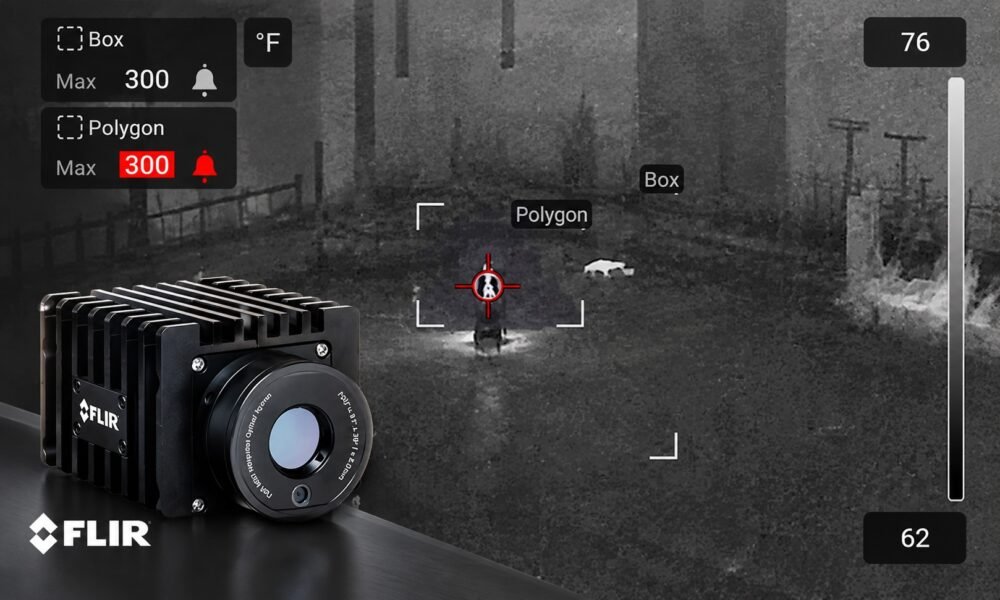
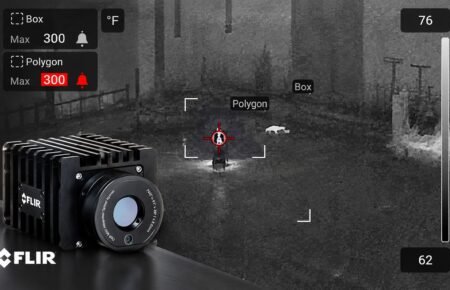
Thermal cameras have long been used to spot overheating equipment before it fails. Teledyne FLIR’s A40, A50 and A70 cameras are said to be the first thermal imaging models to receive UL 2684 listing for early fire detection. The certification allows the cameras to be incorporated into fire detection systems designed in accordance with NFPA 72, moving thermal imaging beyond condition monitoring and into code-compliant fire alarm applications.
A thermal camera can watch the temperature of an asset or area continuously and flag abnormal heat before smoke or flames appear. FLIR’s A-Series systems can use temperature thresholds, rate-of-rise and other alarm logic to identify developing thermal events and send alarm signals to compatible fire alarm systems.
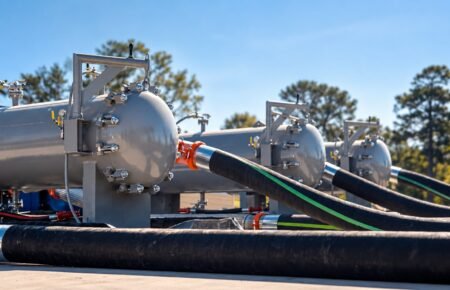
That makes the technology particularly relevant in places where waiting for smoke detection can mean losing valuable response time, data centers, warehouses, manufacturing plants, battery facilities, substations and other industrial sites.
The A70 combines radiometric thermal imaging with a visual camera and can monitor defined regions for changing temperature conditions. FLIR says the system can also connect with SCADA, BMS and video-management environments through multiple communication protocols.
This helps with continuous visibility in keeping a check around the clock, watching electrical panels, batteries, machinery or storage areas without putting people in the loop for every check.
With UL 2684 listing, FLIR is positioning it as an active layer in the fire detection system itself. That could make thermal data part of the first response and not the post-incident investigation.