






Leading process automation companies in India
Explore leading process automation companies in India, key selection factors, market trends, and major solution providers for industrial automation Indian manufacturers are under growing pressure to...

Table Of Content
- Why process automation is important for Indian industry
- How to choose the right process automation solution
- Key process automation companies in India you should know about
- Emerson
- Yokogawa
- Honeywell
- Endress+Hauser
- Valmet
- KROHNE
- Samson
- Bürkert
- Key trends shaping this market
- Frequently Asked Questions
- Which industries benefit most from process automation?
- How should organisations compare process automation companies in India?
- What do chemical process automation companies typically provide?
- Why is integration important in automation projects?
Explore leading process automation companies in India, key selection factors, market trends, and major solution providers for industrial automation
Indian manufacturers are under growing pressure to improve operational efficiency, product quality, workplace safety, and energy performance while remaining globally competitive. Process automation has become an important investment across industries such as chemicals, oil and gas, pharmaceuticals, food and beverage, power generation, water treatment, and pulp and paper. As a result, many organisations are evaluating process automation companies in India to modernise production facilities and support long-term digital transformation initiatives.
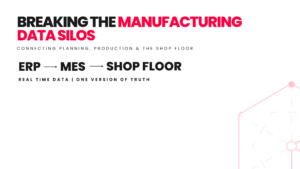
Process automation is especially important for plants that need continuous monitoring and precise control. It uses sensors, control systems, and industrial software to help operators track plant conditions and improve processes in real time. Technologies such as distributed control systems, programmable logic controllers, supervisory control and data acquisition systems, and process instrumentation help plants operate more efficiently, reduce downtime, lower manual intervention, and support predictive maintenance.
When choosing an automation company, manufacturers should consider their industry requirements, existing infrastructure, integration needs, and long-term operational goals.
Why process automation is important for Indian industry
Process automation is important for plants that need consistency, compliance, safety, and operational visibility. Many companies are adopting digital technologies to reduce losses, improve product quality, use energy more efficiently and build smarter factories.
For sectors like chemicals and pharmaceuticals, automation also improves process safety and traceability. Logistics, utilities, and heavy industries gain from improved asset monitoring and quicker responses to operational issues through integrated operational technology platforms.
As production environments become more data-driven, process automation continues to support higher productivity while helping organisations manage maintenance costs more effectively.
How to choose the right process automation solution
Choosing an automation provider is not just about comparing hardware or technical specifications. Manufacturers need to check whether the solution will work smoothly with their existing programmable logic controllers, distributed control systems, supervisory control and data acquisition systems, and enterprise software platforms. They should also look at whether the system supports analytics, cybersecurity, and future expansion.
Service support is another key factor. Buyers should check whether the vendor can provide spare parts, and support in commissioning, maintenance and engineering when required. Particularly for companies in highly regulated sectors, it is important to choose a provider that understands the industry and is experienced in handling complex automation projects.
The overall cost should also be assessed. The upfront price also matters, but long-term costs like maintenance, software licensing, energy use, upgrades, and lifecycle support can make a major difference to the value of the investment.
Key process automation companies in India you should know about
Emerson
Emerson offers a broad range of process automation products and solutions, including measurement instruments, control systems, valves, industrial software, and asset management tools. Its products are used in industries such as oil and gas, power generation, life sciences, and chemical manufacturing.
Manufacturers looking for plant-wide control and monitoring systems may consider Emerson. Before implementation, buyers should assess how well its solutions integrate with existing plant infrastructure and long-term digitalisation plans.
Yokogawa
Yokogawa is known for industrial automation systems, including distributed control systems, process measurement instruments, and industrial software. It serves industries such as energy, chemicals, pharmaceuticals, and utilities.
Companies looking to improve plant visibility, reliability, and process control may consider Yokogawa. Buyers should evaluate integration complexity, software compatibility, and the level of engineering support required during implementation.
Honeywell
Honeywell provides industrial automation technologies, including process control systems, safety systems, industrial software, and connected operations platforms. Its solutions help manufacturing plants improve reliability, safety, and operational performance.
Manufacturers planning plant modernisation may consider Honeywell, especially for complex process environments. They should assess compatibility with existing systems, cybersecurity requirements, and lifecycle support before deployment.
Endress+Hauser
Endress+Hauser specialises in measurement instrumentation for flow, level, pressure, temperature, and analytical applications. Its products are used in industries such as food and beverage, pharmaceuticals, water treatment, mining, and chemicals.
Many chemical process automation companies use measurement instruments from Endress+Hauser to support accurate monitoring and control. Buyers should consider calibration support, instrument compatibility, and service availability.
Valmet
Valmet offers process automation and flow control technologies, with experience in pulp and paper, energy, and process industries. Its automation platforms help plants improve efficiency, reliability, and process visibility.
Manufacturers operating continuous process plants may consider Valmet for automation and control needs. Buyers should assess software integration, maintenance support, and compatibility with existing plant systems.
KROHNE
KROHNE focuses on industrial process instrumentation, including flowmeters, level measurement, pressure measurement, and analytical devices. Its technologies are used in water, chemicals, food processing, energy, and other industrial sectors.
Companies that require accurate measurement and monitoring may consider KROHNE. Buyers should evaluate product compatibility, calibration needs, and after-sales support.
Samson
Samson is known for control valves, actuators, regulators, and related automation technologies. Its products are used in chemical processing, power generation, and industrial manufacturing.
Manufacturers that need flow regulation and process control equipment may consider Samson. Maintenance requirements, service support, and compatibility with existing control systems should be assessed before selection.
Bürkert
Bürkert develops fluid control systems, process valves, sensors, and automation solutions. Its products are used in pharmaceuticals, food processing, water treatment, and laboratory environments.
Companies with specialised fluid control and process automation requirements may consider Bürkert. Buyers should evaluate application requirements, integration needs, and long-term service support.
Key trends shaping this market
Process automation is evolving with the adoption of the Industrial Internet of Things, cloud-based monitoring, advanced analytics, and predictive maintenance. Manufacturers increasingly want systems that can collect plant data and turn it into actionable operational insights.
Artificial intelligence is also being used to detect performance issues, predict maintenance needs, and improve process reliability. Advanced sensors and analytics help manufacturers in identifying issues before they might lead to equipment failures or loss in production.
Sustainability is another important trend. Companies are using automation to monitor energy consumption, optimise resource use, and reduce waste. This is especially relevant for energy-intensive industries and plants with strict compliance requirements.
For Indian companies, integration remains crucial: New automation systems must communicate with existing plant equipment, software and enterprise systems. Local engineering support, cybersecurity, lifecycle services, and long-term upgrade flexibility are some of the key selection factors.
Process automation companies in India serve a wide range of industries — from chemicals and pharmaceuticals to water treatment, power generation, food processing, and pulp & paper. Each provider has different strengths across control systems, measurement instrumentation, industrial software, valves, fluid control, and lifecycle services.
When choosing a process automation partner, manufacturers should look beyond product features and initial costs. The right choice depends on integration capability, software compatibility, service support, industry expertise, cybersecurity, and long-term value.
With the right automation partner, Indian manufacturers can improve plant reliability, reduce downtime, strengthen process safety, and support more efficient industrial operations.
Frequently Asked Questions
Which industries benefit most from process automation?
Chemicals, pharmaceuticals, food & beverage, oil & gas, power generation, water treatment, and pulp & paper benefit the most from process automation.
How should organisations compare process automation companies in India?
Organisations should compare technical capabilities, integration support, industry experience, cybersecurity features, service availability, software compatibility, and total cost of ownership. They should not make decisions based only on price.
What do chemical process automation companies typically provide?
Chemical process automation companies typically provide measurement instrumentation, control systems, process valves, industrial software, safety systems, engineering services, and lifecycle support.
Why is integration important in automation projects?
Integration is important because it allows machines, instruments, control systems, and software platforms to work together efficiently. This improves visibility, decision-making, maintenance planning, and overall plant performance.