






Top industrial traceability solutions in India
Explore leading industrial traceability and track-and-trace solution providers in India for manufacturing, logistics, compliance and quality control Indian manufacturers increasingly need to track...

Table Of Content
- Why traceability matters for Indian industry
- How to choose the right traceability solution
- Industrial Traceability Solutions in India you should know about
- BCI ( Bar Code India)
- Cognex
- Datalogic
- Keyence
- SICK
- Mettler-Toledo
- SAP
- Key trends shaping this market
- Frequently asked questions
- 1. What is industrial traceability?
- 2. Which industries need track-and-trace systems?
- 3. How do industrial traceability solutions in India improve manufacturing?
- 4. Is barcode tracking enough for traceability?
- 5. What should businesses look for in a traceability vendor?
Explore leading industrial traceability and track-and-trace solution providers in India for manufacturing, logistics, compliance and quality control
Indian manufacturers increasingly need to track products, materials and components across production and supply chains. This is not only about regulatory compliance but also about improving daily operations. Companies in sectors such as pharmaceuticals, automotive, food processing, electronics and logistics need clear visibility into where products come from, how they move and where they are used.
Industrial traceability solutions in India help manufacturers track materials from sourcing to production, storage, distribution and after-sales support. These systems use technologies such as barcode readers, radio frequency identification (RFID), machine vision, sensors and software platforms to create a reliable record of product movement and quality.
For exporters, traceability is especially important because it supports compliance, product safety, audit readiness and customer confidence. For industrial buyers, choosing the right track-and-trace partner now requires careful evaluation of both hardware and software capabilities.
Why traceability matters for Indian industry
Traceability is important because it affects product quality, compliance, operational efficiency and supply chain control. When something goes wrong, such as a defect or contamination issue, manufacturers need to quickly identify affected batches, components or finished products. Without a reliable tracking system, this process can be slow, costly and disruptive.
In industries such as pharmaceuticals and food processing, traceability helps companies meet regulatory requirements and prepare for audits. This is particularly important for businesses that export products to markets with strict quality and safety standards.
Traceability also helps companies run operations more efficiently. It provides visibility into material movement, production bottlenecks, quality issues and inventory status. This allows faster decision-making and better control over manufacturing processes.
In factories, traceability can support predictive maintenance, quality inspection and process improvement. For exporters, strong track-and-trace capability can also improve competitiveness by demonstrating reliability and compliance to global customers.
How to choose the right traceability solution
Choosing the right traceability solution starts with understanding business requirements. Buyers evaluating product traceability software vendors in India should consider both operational needs and technology capability.
The first factor is traceability depth. Some businesses only need batch-level tracking, while others require item-level traceability with a complete history of each unit, component or production stage.
Data capture technology is also important. Barcode scanners, RFID, machine vision systems and sensors each suit different use cases and accuracy requirements. Buyers should assess which technology fits their product type, production speed, plant environment and reporting needs.
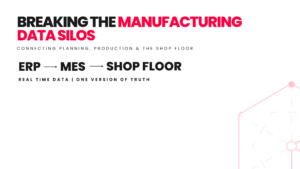
Software integration is another key consideration. The traceability platform should work smoothly with enterprise resource planning systems, warehouse management systems, manufacturing execution systems and quality management tools.
Scalability also matters. The system should be able to expand as production volume, product complexity or regulatory requirements increase.
Other important factors include implementation support, cybersecurity, reporting capability, analytics, long-term cost and local service availability. Industry experience is also important because traceability requirements vary across pharmaceuticals, food processing, automotive, electronics and logistics.
Industrial Traceability Solutions in India you should know about
BCI ( Bar Code India)
BCI, has evolved into a powerhouse of innovative supply chain and manufacturing solutions fused with cutting-edge technology.
With industry-leading IoT, RFID, Automation, Barcoding, and software capabilities, they offer extensive and fully integrated next-generation solutions to drive supply chain and manufacturing transformations.
Their use technologies such as Barcode, RFID, Machine Vision to Automated Labeling and have solutions across various stages of manufacturing.
The software solutions they provide allow easy integration and solution of client end use or regulatory compliance needs of supply chain transparency or traceability.
Cognex
Cognex is known for machine vision and barcode reading technologies that support product identification, inspection and traceability. Its systems are used for code reading, label verification, quality control and automated inspection.
Cognex is relevant for industries such as electronics, packaging and logistics where accurate code reading and product tracking are critical. Its strength lies in combining machine vision with identification technologies, helping manufacturers capture data even in difficult production environments.
Buyers should consider setup complexity for advanced vision systems, as lighting, product variation and line speed can affect performance.
Datalogic
Datalogic provides barcode readers, scanners, machine vision systems and automatic data capture technologies. Its solutions support product identification, warehouse tracking, packaging verification and supply chain traceability.
Datalogic is particularly useful for warehouses, packaging lines and logistics-heavy operations that need reliable tracking across production and distribution. Companies that depend on high-volume scanning and item movement may benefit from its track-and-trace capabilities.
Buyers should evaluate software compatibility, scanning requirements and integration with existing warehouse or production systems.
Keyence
Keyence provides sensors, barcode readers and machine vision systems that support inspection, identification and traceability in factories.
Its products are useful for code verification, product checking and automated inspection. Manufacturers in high-speed production lines, especially in electronics, pharmaceuticals and precision manufacturing, often use such systems for identification and verification.
Buyers should consider operator training, data analysis needs and integration with existing automation systems before selecting Keyence products.
SICK
SICK specialises in sensor intelligence and identification technologies, including barcode, RFID and vision systems. These technologies help with product tracking, material movement and automated sorting.
SICK solutions are useful in logistics, warehousing, manufacturing and material handling environments where real-time identification can improve process efficiency.
Buyers should assess how SICK systems will integrate with existing automation infrastructure, especially when using different identification technologies across multiple facilities.
Mettler-Toledo
Mettler-Toledo provides weighing, inspection and product verification technologies that can support traceability and compliance. Its systems are used for tasks such as checkweighing, product inspection and quality verification.
The company’s solutions are relevant for industries where product quality, weighing accuracy and compliance records are important. These include food processing, pharmaceuticals, chemicals and packaging.
Buyers should assess how Mettler-Toledo systems will integrate with existing traceability, quality management and production systems.
SAP
SAP is known for enterprise software that supports supply chain management, manufacturing operations, inventory control and traceability. Unlike hardware-focused providers, SAP supports traceability through data integration, workflow visibility and analytics.
Large manufacturers and businesses that need end-to-end tracking from procurement to production, storage and distribution often evaluate SAP solutions. Its strength lies in connecting operational and business data across the organisation.
Companies should plan carefully before implementing SAP for traceability, as it may involve process redesign, system integration, data migration and change management.
Key trends shaping this market
Several technology trends are changing traceability in India.
Industrial Internet of Things adoption is growing, providing better data for traceability. Connected sensors and smart devices help monitor materials, equipment and environmental conditions in real time.
Artificial intelligence and analytics are also improving traceability. Modern systems do more than record events. They can detect anomalies, predict disruptions and identify risks earlier, allowing manufacturers to act faster.
Machine vision and automated identification technologies are reducing manual data entry. Barcode readers, optical character recognition and vision inspection systems improve data reliability and operational efficiency.
Cloud-based software platforms are becoming more popular for managing multiple sites. These platforms provide a unified view of operations and simplify reporting across different manufacturing locations.
Supply chain localisation and resilience are also becoming important. Indian manufacturers increasingly want better visibility into domestic suppliers to reduce risks, improve sourcing control and respond faster to disruptions.
Industrial traceability has become important for manufacturers that want stronger compliance, better quality control and improved supply chain visibility. As production networks become more connected, track-and-trace systems are no longer relevant only for regulated industries. They are also useful for improving efficiency, reducing risk and strengthening customer confidence.
The companies mentioned here provide technologies across machine vision, data capture, inspection, sensing and enterprise software. The right solution depends on business needs, traceability depth, plant maturity, integration requirements, budget and service support.
Indian manufacturers that align traceability with automation and digital transformation plans will be better positioned to improve resilience, efficiency and long-term competitiveness.
Frequently asked questions
1. What is industrial traceability?
Industrial traceability is the process of tracking materials, components and finished products across manufacturing and supply chain operations. It helps maintain records of product origin, movement, quality and handling.
2. Which industries need track-and-trace systems?
Industries such as pharmaceuticals, food processing, automotive, electronics, chemicals and logistics commonly use track-and-trace systems.
3. How do industrial traceability solutions in India improve manufacturing?
They improve visibility, quality control, compliance, inventory tracking, recall management and operational decision-making.
4. Is barcode tracking enough for traceability?
Barcode tracking can be enough for some operations. Others may need RFID, machine vision, sensors or integrated software depending on accuracy, speed and reporting requirements.
5. What should businesses look for in a traceability vendor?
Businesses should consider industry expertise, integration capability, scalability, software compatibility, local support, reporting features, cybersecurity and total cost of ownership.