





Top industrial and manufacturing software companies in India
Explore leading industrial software companies in India, including Manufacturing Execution System, digital manufacturing, engineering, and industrial automation software providers Industrial software...

Table Of Content
- Why industrial software matters for Indian industry
- How to choose the right industrial software
- Industrial software companies in India you should know about
- Siemens
- SAP
- PTC
- Dassault Systèmes
- AVEVA
- Aspen Technology
- Hexagon
- GE
- Key trends shaping this market
- Frequently asked questions
- 1. What is industrial software used for?
- 2. How should businesses compare industrial software companies in India?
- 3. What does a Manufacturing Execution System do?
- 4. Are Manufacturing Execution System vendors in India suitable for small and medium-sized manufacturers?
Explore leading industrial software companies in India, including Manufacturing Execution System, digital manufacturing, engineering, and industrial automation software providers
Industrial software has become an important part of modern manufacturing. Companies use it to improve efficiency, strengthen control over production facilities, and make better operational decisions. From product design and production planning to plant monitoring and maintenance, software helps manufacturers manage complex operations with better visibility.
Many businesses are evaluating industrial software companies in India to support digital transformation, improve product quality, and remain competitive. When choosing a software provider, companies should assess how well the platform works with existing systems, whether reliable support is available, how securely data is managed, and whether the software is compatible with current plant and enterprise technologies.
For manufacturers in sectors such as automotive, pharmaceuticals, food processing, electronics, and heavy machinery, choosing the right industrial software platform can affect productivity, compliance, quality control, and future scalability.
Why industrial software matters for Indian industry
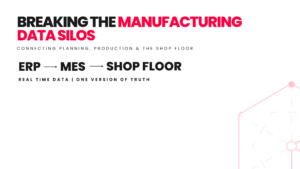
Industrial software connects production processes, engineering systems, enterprise applications, and factory-floor equipment. This helps manufacturers plan production, monitor quality, manage maintenance, generate reports, and analyse operational performance.
As Indian manufacturers adopt automation, robotics, Industrial Internet of Things, and smart factory technologies, software plays a central role in integrating machines, sensors, and business systems. Better data visibility also supports predictive maintenance, energy optimisation, compliance, and faster decision-making across production facilities.
Industrial software can also reduce manual work by automating reporting, improving traceability, and giving managers a clearer view of production performance. This is especially important for manufacturers that operate across multiple plants or have strict quality and regulatory requirements.
How to choose the right industrial software
Choosing industrial software should begin with a clear understanding of business and operational goals. Buyers should look beyond product features and consider what the software must achieve for their organisation.
Compatibility is one of the most important factors. The software should work smoothly with existing enterprise resource planning systems, manufacturing execution systems, automation platforms, machines, sensors, and plant equipment.
Other important considerations include scalability, cybersecurity, analytics capabilities, interoperability with third-party applications, deployment flexibility, total cost of ownership, implementation expertise, and local technical support.
Organisations comparing Manufacturing Execution System vendors in India should also assess reporting capabilities, production scheduling functions, and integration with quality management and maintenance systems.
Industrial software companies in India you should know about
Siemens
Siemens offers a range of industrial software for product design, manufacturing, automation, and digital production. Its platforms help manufacturers connect engineering, production, and factory operations.
Manufacturers often consider Siemens when they want integrated digital manufacturing and automation software. Buyers should assess how well the platform works with existing factory systems, engineering workflows, and long-term digitalisation plans.
SAP
SAP provides enterprise and manufacturing software for production planning, manufacturing execution, supply chain management, and business operations. Many organisations use SAP to connect factory operations with wider business processes.
Companies implementing SAP should carefully assess integration needs, data readiness, implementation timelines, and how the platform will fit into their manufacturing environment.
PTC
PTC focuses on software for product design, engineering, product lifecycle management, and Industrial Internet of Things applications. Manufacturers use PTC software to improve product development, connected operations, and asset visibility.
When evaluating PTC, buyers should consider whether its software works with existing engineering workflows, data management practices, and connected manufacturing requirements.
Dassault Systèmes
Dassault Systèmes is known for engineering software, product design tools, simulation platforms, and digital manufacturing solutions. Its platforms support product development, industrial design, and collaboration across engineering teams.
Companies looking at Dassault Systèmes should evaluate implementation complexity, integration with existing design tools, and the potential benefits for engineering collaboration and digital manufacturing.
AVEVA
AVEVA develops software for operations management, engineering, asset performance, and industrial information management. Its solutions are used across manufacturing, utilities, energy, infrastructure, and process industries.
Buyers should review how AVEVA’s platforms integrate with existing operational technology systems, plant data sources, and future expansion plans.
Aspen Technology
Aspen Technology provides software for process optimisation, engineering, asset performance management, and operational analytics. Its solutions are particularly relevant for process industries such as chemicals, energy, refining, and pharmaceuticals.
Companies evaluating Aspen Technology should ensure that the software matches their optimisation goals, process requirements, and available engineering expertise.
Hexagon
Hexagon offers software for digital reality, quality inspection, measurement, and production optimisation. Its solutions support manufacturers seeking greater measurement accuracy, quality control, and operational efficiency.
When evaluating Hexagon, buyers should assess integration with existing inspection equipment, production workflows, and quality management systems.
GE
GE provides software for asset performance management, operations optimisation, and digital manufacturing. Its solutions are used in sectors such as energy, aviation, and manufacturing to improve visibility, maintenance planning, and asset reliability.
Organisations considering GE software should assess compatibility with their digital infrastructure, data systems, and long-term operational requirements.
Key trends shaping this market
Software is becoming essential for connected manufacturing. Many organisations are integrating Manufacturing Execution Systems, engineering software, automation platforms, and analytics tools to improve production visibility and decision-making.
Artificial intelligence is supporting predictive maintenance, production forecasting, and quality analysis. Cloud-enabled software is making monitoring, reporting and collaboration more practical across locations.
Manufacturers are also investing in digital twins, simulation technologies, and advanced analytics to optimise production before making physical changes. These tools can help reduce errors, test new processes, and improve planning.
Cybersecurity has become a growing priority as operational technology networks become more connected with enterprise systems. At the same time, many manufacturers are modernising legacy software rather than replacing entire production environments, making interoperability an important purchasing consideration.
Demand for flexible deployment models and stronger integration between engineering, manufacturing, and business systems is also increasing as organisations pursue long-term digital transformation strategies.
The market for industrial software companies in India includes global and domestic players offering solutions for engineering, manufacturing execution, analytics, quality management, asset performance, and operations management.
When choosing a provider, buyers should focus on operational needs rather than software features alone. They should consider integration capability, scalability, implementation expertise, cybersecurity, support availability, and the long-term cost likely to be incurred.
Companies comparing Manufacturing Execution System vendors in India should also consider their digital maturity, technical resources, production complexity, and future expansion plans.
A structured evaluation can help manufacturers choose software that improves operations, supports business goals, and creates long-term value.
Frequently asked questions
1. What is industrial software used for?
Industrial software supports production planning, manufacturing operations, engineering, quality management, maintenance, analytics, and digital manufacturing initiatives.
2. How should businesses compare industrial software companies in India?
Businesses should compare integration capabilities, scalability, cybersecurity, industry expertise, implementation support, software functionality, and long-term maintenance requirements.
3. What does a Manufacturing Execution System do?
A Manufacturing Execution System helps manufacturers monitor, manage, and control production on the factory floor. It supports production tracking, quality management, scheduling, traceability, and operational efficiency.
4. Are Manufacturing Execution System vendors in India suitable for small and medium-sized manufacturers?
Yes. Many Manufacturing Execution System solutions can be implemented in stages, allowing organisations to expand functionality as production requirements and operational complexity increase.