






Baumer Launches AI Vision Sensor for Automated Quality Inspection
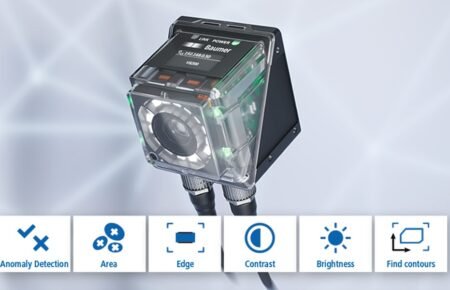
Baumer has introduced VeriSens AI, a smart vision sensor. It is designed to simplify industrial quality inspection. This will be done by combining traditional rule-based image processing with...

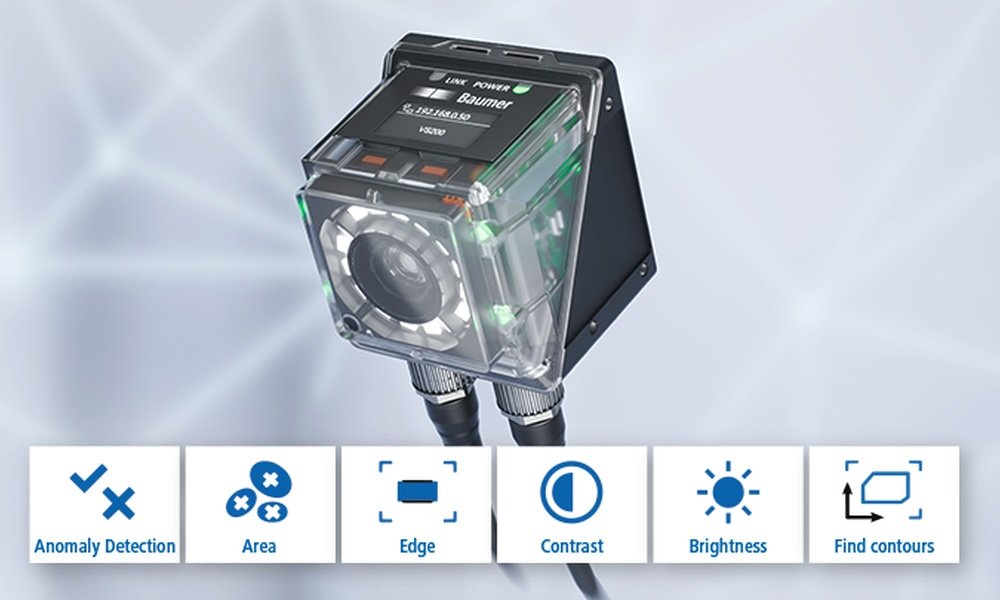
Table Of Content
Baumer has introduced VeriSens AI, a smart vision sensor. It is designed to simplify industrial quality inspection. This will be done by combining traditional rule-based image processing with artificial intelligence. The system uses few-shot learning to train inspection applications with just a handful of sample images, helping manufacturers automate quality checks with less programming and specialised expertise.
Key Highlights
- Combines conventional image processing with AI-based inspection
- Few-shot training using a limited number of sample images
- Inspection speeds of up to 40 checks per second
- Integrated setup, training and maintenance interface
- Local data processing without cloud connectivity
What Has Been Announced
VeriSens AI combines rule-based inspection methods with AI-driven analysis to handle demanding inspection tasks across automated production environments. The sensor utilizes an integrated web interface to facilitate commissioning, training, and servicing directly from the device itself, without requiring further installation of software.
It processes image data and employs artificial intelligence models within the premises, thus keeping sensitive information secured. Also, thanks to few-shot learning technology, it can train and verify application performance while using a handful of examples. The system can be complemented with VeriSens Studio, an optional software installed on the PC, allowing users to validate and optimize the inline quality inspection.
Why It Matters
Manufacturers that want to automate quality inspections without having to invest in complicated inspection systems are turning more frequently to AI-based machine vision. The VeriSens AI technology can help original equipment manufacturers (OEMs) and production teams implement quality control more effectively at the same time as minimizing training needs, reducing commissioning effort and allowing for high-speed processing.
Image Source –Baumer