






Next-Gen Warehousing & Logistics Automation Transforming Supply Chains
As India’s e-commerce surge collides with labor constraints, AMRs, AI slotting, and real-time tracking are transforming warehouses from static storerooms into agile, data-driven hubs.

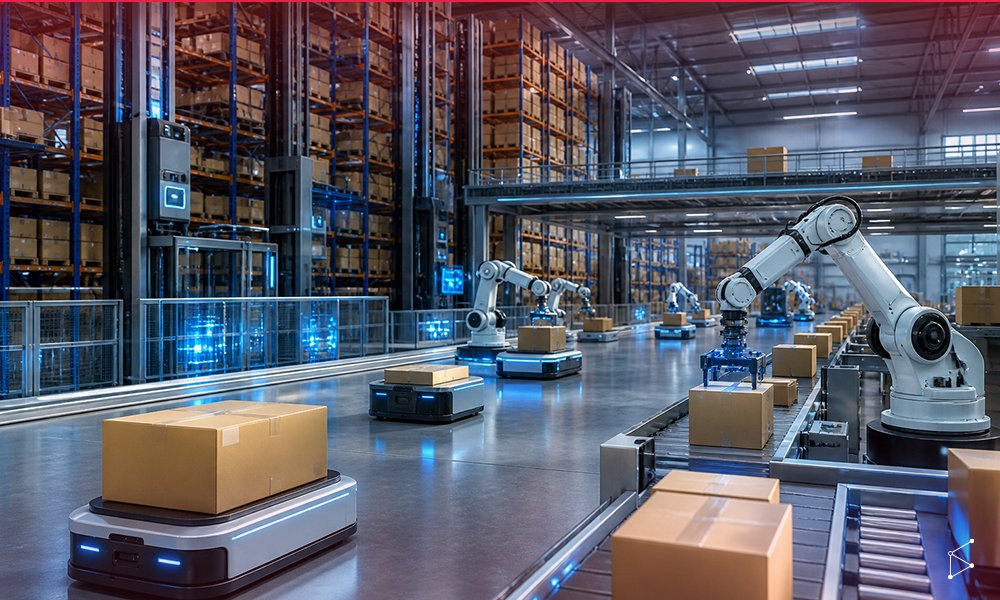
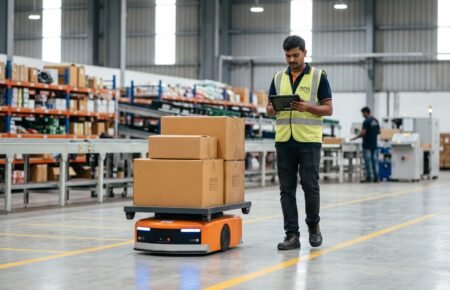
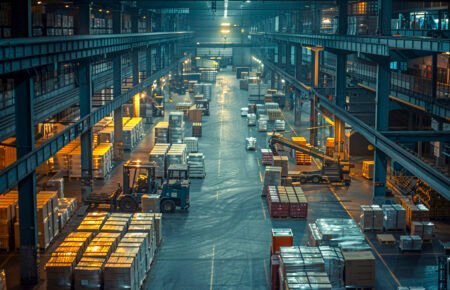
In a large fulfillment center, dozens of orange-and-white robots glide between racks, pausing only to download the latest pick list or avoid a colleague. They carry pallets, totes, and even individual cartons—no driver required. Meanwhile, AI crunches terabytes of order history, suggesting dynamic slot changes that shave seconds off every pick. This isn’t the warehouse of yesterday. It’s the vanguard of Next-Gen Warehousing, and India is sprinting to catch up.
A Perfect Storm for Automation
That wasn’t always the case. Warehouses once depended on human labor—forklift operators, manual pickers, and spot checks. Today, two forces collide: e-commerce growth north of 20% annually and a tightening labor market amid urban migration. The race is on to harness robotics, AI, and IoT for speed, accuracy, and cost control.
AMRs: The New Workhorses
Autonomous Mobile Robots (AMRs) have become the poster children of logistics automation in China. Unlike fixed-path AGVs, AMRs navigate dynamically using LiDAR and SLAM (Simultaneous Localization and Mapping). When peak orders spike, the system reprioritizes deliveries, dispatching the nearest robot to high-priority zones—reducing travel miles, faster throughput, and reduction in congestion-related delays.
Operators no longer hunt down pallets; they load and unload at designated robot docks, focusing on exceptions. For a facility managing thousands of SKUs, that shift translates into millions saved in labor and overtime.
AI Slotting: Smarter Storage, Faster Picks
Beyond moving goods, automation now dictates where to store them. Traditional slotting—placing fast-moving SKUs near packing—happened quarterly, based on gut and spreadsheet. AI-driven slotting algorithms continuously analyze real-time order velocity, seasonality, and replenishment schedules.
Think about it: AI recommends moving popular smartphone accessories 15 meters closer to packing lanes during festive seasons. The tweak cut average pick time by 12 seconds per item—equivalent to an extra 10K picks per month without adding headcount. Crucially, the system adapts overnight; when order patterns shift, so do suggested slot configurations.
Real-Time Inventory: Zero-Tolerance for Error
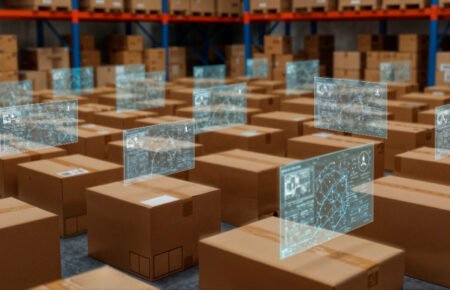
Periodic manual inventory counts—always a week-long ordeal—are yielding to continuous digital tracking. RFID-enabled shelves, smart forklifts equipped with readers, and handheld IoT scanners feed live stock levels into Warehouse Management Systems (WMS).
Say an RFID gate registers every carton in and out, reconciling stock discrepancies in real time. Overnight cycle counts drop from a few hours to 30 minutes, while stock accuracy climbs. Managers gain instant alerts on low stock or unexpected movements, preventing stockouts and overstocking alike.
Integration Is King
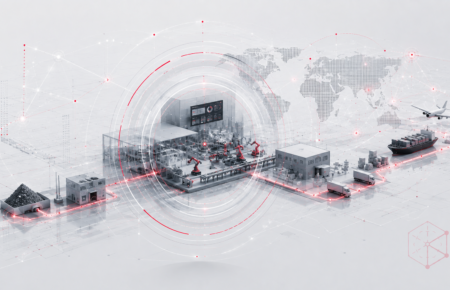
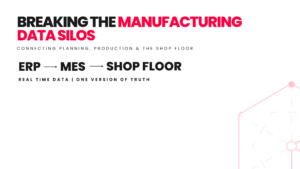
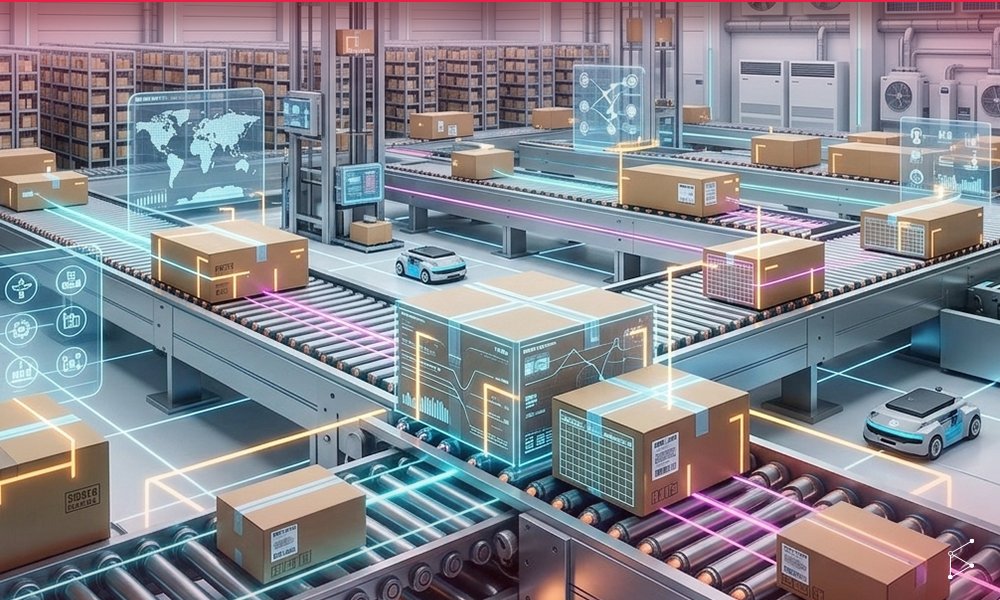
Technology silos stall progress. Successful adopters integrate AMRs, AI slotting, and real-time tracking on a unified platform. APIs connect WMS, Transportation Management Systems, and robotic fleet managers. Data flows seamlessly—robots pick based on AI slotting recommendations and update inventory instantly.
The Roadblocks Ahead
Despite clear ROI, barriers remain. Upfront investment in robotics and digital infrastructure can exceed a few crores for mid-sized warehouses. Connectivity challenges—Wi-Fi dead zones, power backup in aisles—demand careful planning. Change management is critical; retraining staff from manual picking to exception handling requires structured programs.
Growing e-commerce and rising carrier expectations for faster delivery are nudging adoption. Service providers now offer robotics-as-a-service models, shifting CapEx to OpEx and lowering entry hurdles.
Implications: Warehouses as Strategic Assets
Logistics automation redefines warehouses from static storage to strategic fulfillment hubs. Rapid, accurate order processing becomes a competitive differentiator in the age of instant delivery. Data-driven slotting and real-time insights fuel continuous improvement, while robotic fleets scale dynamically with demand.
As India’s consumer expectations evolve, warehouses will need to do more than store goods—they’ll need to anticipate demand, optimize layouts on the fly, and execute flawlessly under pressure. For industry leaders, the message is clear: embrace Next-Gen Warehousing today or risk being outpaced by more agile competitors tomorrow.