






Manufacturers Have Adopted MES: Now the Challenge Is Scaling It
What happened: Although most manufacturers have adopted Manufacturing Execution Systems (MES) as a necessity for running their factories, the majority have yet to scale these systems within their...

What happened:
Although most manufacturers have adopted Manufacturing Execution Systems (MES) as a necessity for running their factories, the majority have yet to scale these systems within their enterprises, according to a new report from Rockwell Automation.
Feedback from over 1500 manufacturing decision makers in 17 countries revealed that 93% of manufacturers have already introduced MES in at least one plant. But only 28% have deployed MES throughout their enterprise, and only 23% say that MES is fully integrated with business systems like enterprise resource planning (ERP), product lifecycle management (PLM), quality management, and operational technology platforms.
Why it matters:
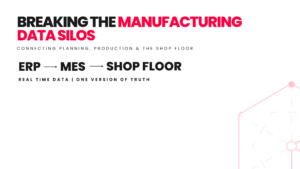
For many manufacturers, it was just the first step and they installed MES. The more difficult challenge is to tie things up together across various production sites, systems, and business processes to get a single, consolidated view of the operation. If that integration is not done, businesses can find themselves missing out on the full benefits of their digital transformation efforts. Information is still trapped in silos, processes become disjointed and opportunities for optimization become more difficult.
The results indicate that manufacturers are becoming more interested in moving away from deployment and toward scalability and an integrated operating model that integrates production, quality, maintenance, workforces, and supply chain data.
Industry context:
The report identifies an increasing “ambit to action” divide between digital aspirations and readiness. A growing number of manufacturers anticipate that AI will have a greater impact on their operations in the near future, but many have yet to find the right way to leverage and manage existing data.
The integration became the most significant need and the greatest challenge in the process of modernization of MES. Concurrently, cybersecurity is a major concern with nearly half of the manufacturers surveyed experiencing a cyber incident in the last 12 months.
The findings are consistent with the general trend of changes that are occurring in the industrial organizations. The debate is not whether manufacturers need to implement MES but how to scale it up across the multiple plants and business units.
The ability to integrate systems, to standardise data and to provide visibility across the enterprise is becoming a major differentiator, as factories are getting more connected and more AI-driven. The next step in digital transformation for many manufacturers will not be the introduction of new technologies, but rather seamless integration of existing technologies.