








1X Unveils Advanced Humanoid Hand as Race for Human-Like Robotics Intensifies
What happened: 1X, a Norwegian robotics company, has unveiled a new humanoid robotic hand that it says will help make robots much more dexterous. The new hand was designed for […]

What happened:
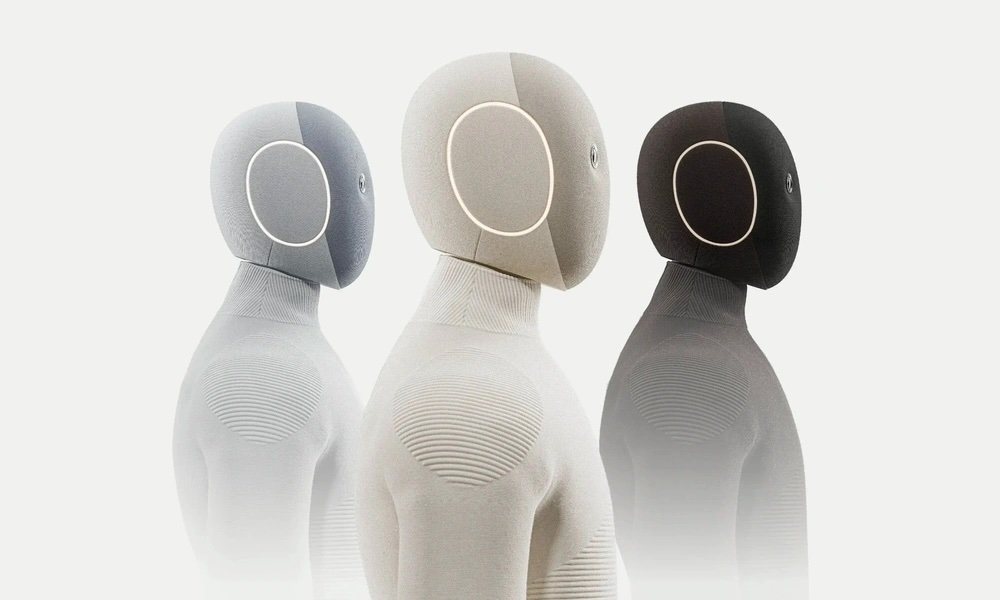
1X, a Norwegian robotics company, has unveiled a new humanoid robotic hand that it says will help make robots much more dexterous. The new hand was designed for the company’s NEO humanoid robot, and will enable robots to have 25 degrees of freedom, which will be useful for various delicate and complex tasks that have traditionally been difficult to be performed by robots.
The hand can be used to perform fine finger motions, run tools, sort objects, do housework, etc the company says. The announcement comes as part of 1X’s plan to create humanoid robots which can function in daily life.
Why it matters:
The hand has been one of the most difficult and challenging parts of humanoid robotics. Although robots have been able to walk, navigate and recognize objects, making them more and more flexible and precise like human hands is still a huge engineering challenge for robots.
Human tasks requiring a complex sensory, control and mechanical setup like grasping, twisting, pinching or handling fragile objects are tasks that humans can do easily and with an extraordinary combination of sensing, control and mechanical design. This is why many robotics companies have not opted for a fully articulated hand, and are continuing to use simpler grippers.
In 1X’s latest design, it claims to take a major leap in meeting this challenge, allowing robots to interact with the physical world more naturally, and to carry out a broader array of real-world tasks.
Industry context:
The competition to create the humanoid robot that can accomplish tasks effectively is heating up, with companies looking into humanoid robots for use in manufacturing, logistics, healthcare, and other domestic settings. While AI has enhanced robots’ perception and reaction to their environment, the lack of physical interaction has remained one of industry’s biggest hurdles.
Consequently, robotics firms are turning more and more to technologies that enhance manipulation instead of just mobility or perception. Safe and reliable grasping of everyday objects is deemed as essential for wider adoption of humanoid robots.
With investors such as OpenAI and Samsung, 1X is currently getting ready for commercialization of its NEO robot and working to increase production capabilities.
In robotics, the line between individual abilities and system capabilities is blurred, with a growing emphasis on system capabilities that can accomplish meaningful tasks in real-world settings, which is reflected in the company’s newest hand development. Dexterity will be one of the major factors that will help to accelerate the adoption of humanoid robots from demonstrations to use in real-life settings as the market competition increases.