






Top industrial automation system integrators in India
Explore top system integrators for industrial automation in India, including key players, selection criteria and market trends shaping smart manufacturing Industrial automation projects cannot...

Table Of Content
- Why system integrators matter for Indian industry
- How to choose the right system integrator
- Top system integrators in India for industrial automation you should know about
- Base Automation
- Axcend
- Neomatricx
- Enviro Control Associates
- ATS Global India
- GMR Technologies
- Autoplant
- Key trends shaping this market
- Frequently asked questions
- 1. What does a system integrator do in automation?
- 2. Why are system integrators important for factories?
- 3. How do top system integrators in India for automation support digital transformation?
- 4. What industries use automation system integrators?
- 5. How should businesses evaluate automation integrators?
Explore top system integrators for industrial automation in India, including key players, selection criteria and market trends shaping smart manufacturing
Industrial automation projects cannot succeed with hardware alone. Sensors, controllers, robotics, software and analytics tools must work together as one connected system. This is where system integrators in India help manufacturers modernise operations, improve efficiency and advance digital transformation.
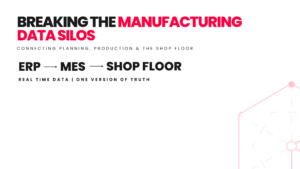
System integrators connect equipment with business objectives. They design, implement and optimise automation systems that bring together programmable logic controllers (PLCs), supervisory control and data acquisition (SCADA) systems, distributed control systems (DCS), robotics and Industrial Internet of Things (IIoT) infrastructure.
For Indian manufacturers facing quality demands, workforce constraints and global competition, choosing the right system integrator is an important business decision. This article explains why system integrators matter, what buyers should consider and which companies are notable in India’s industrial automation sector.
Why system integrators matter for Indian industry
System integrators are important because factories are becoming more complex. Many plants use a mix of legacy machines, new automation equipment, industrial software and connected systems. If these technologies are not integrated properly, they may not work together efficiently. This can limit operational visibility and reduce the value of automation investments.
System integrators help companies connect operational technology with business systems. This enables real-time monitoring, better process control, faster troubleshooting and improved decision-making.
The business impact can be significant. Well-integrated automation systems can improve uptime, raise worker productivity, strengthen traceability and support quality control. They can also help companies manage maintenance more effectively by monitoring machine performance and identifying issues early.
For exporters and manufacturers with complex production processes, automation integration can support compliance, consistency and supply chain resilience.
How to choose the right system integrator
Choosing the right system integrator requires more than checking technical capability. Buyers should assess whether the integrator understands their business, industry and engineering requirements.
The first factor is domain expertise. A system integrator working with pharmaceuticals may require different capabilities from one working with automotive, utilities or heavy manufacturing. Buyers should look for experience in similar applications and regulated environments where relevant.
Compatibility with existing technology is also important. The integrator should be able to work with current PLCs, SCADA systems, industrial software, field devices and plant equipment.
Project management capability should also be assessed. Large automation projects require support for commissioning, documentation, testing, training and handover. Clear project scope, timelines and responsibility mapping are important for successful implementation.
Buyers should also consider whether the integrator can support future expansion. As manufacturers adopt analytics, IIoT platforms and digital transformation tools, integration partners should be able to work with both current automation systems and future technology roadmaps.
Other important factors include local service availability, cybersecurity readiness, software integration capability, after-sales support and total cost of ownership.
Top system integrators in India for industrial automation you should know about
Base Automation
Base Automation provides automation and control system services for manufacturers and process industries. Its work includes control panel development, PLC programming, SCADA implementation and plant automation.
Base Automation may be relevant for users looking to connect field devices, process controls and operational dashboards. Medium-sized manufacturers seeking to modernise production workflows may find its services useful.
When working with Base Automation, buyers should define the project scope clearly, especially when combining existing equipment with new digital systems.
Axcend
Axcend Automation supports factories with process automation, control systems and digital operations. Its services include control system integration, industrial networking and plant monitoring.
The company may be useful for factories seeking better visibility into plant operations and improved process control. Axcend’s strength lies in combining engineering services with software-led monitoring.
Buyers should assess project requirements, integration needs and support expectations before implementation.
Neomatricx
Neomatricx provides automation and smart factory solutions for manufacturing and industrial environments. Its services combine automation systems with data analysis tools.
This may be useful for manufacturers looking to adopt smarter operations and data-driven decision-making. Neomatricx is relevant where companies want to connect automation systems with analytics platforms.
Before implementation, buyers should assess data readiness, digital maturity and the availability of internal teams to use analytical insights effectively.
Enviro Control Associates
Enviro Control Associates, also known as Envirocom, provides automation and instrumentation solutions, with strengths in control systems and plant engineering.
The company is relevant for industrial users that need support with instrumentation, automation and control system deployment. Its experience in combining instrumentation expertise with automation implementation can be useful for process-led environments.
Buyers should assess whether Envirocom has relevant experience in their sector and understands any industry-specific compliance requirements.
ATS Global India
ATS Global India supports manufacturers with automation, manufacturing information technology and smart manufacturing services. Its solutions include production tracking systems, control and monitoring platforms, analytics and manufacturing efficiency tools.
ATS Global India may be suitable for companies with multiple plants or those undertaking large-scale digital transformation. Its services can help connect factory technology with enterprise systems.
Buyers should plan carefully when working on large transformation projects, as such programmes often involve process change, data integration and internal adoption challenges.
GMR Technologies
GMR Technologies offers automation and engineering services for process and industrial manufacturing environments. Its work includes instrumentation, control system design and automation project execution.
The company may be relevant for factories seeking practical automation upgrades and project execution support. Its strength lies in field implementation and engineering services.
Before choosing GMR Technologies, buyers should assess service responsiveness, maintenance support and the company’s ability to meet long-term operational needs.
Autoplant
Autoplant works on plant digitalisation and performance improvement through software-led automation. It combines automation data with software platforms to improve plant visibility and operational performance.
Autoplant may be useful for manufacturers seeking predictive maintenance, operational analytics and better asset performance. Its relevance lies in software-led plant optimisation rather than hardware-focused automation alone.
Buyers should ensure they have adequate data quality, digital infrastructure and internal readiness to get the most value from Autoplant’s systems.
Key trends shaping this market
Several trends are changing industrial automation integration in India.
Industry 4.0 adoption is increasing as manufacturers seek better visibility, process control and data-based decision-making. This is creating demand for system integrators that can connect plant equipment with digital platforms.
Industrial Internet of Things adoption is also growing. More sensors, smart devices and edge computing systems are being used to monitor operations in real time and support predictive maintenance.
Artificial intelligence and analytics are becoming more relevant in plant operations. These tools can help optimise energy use, identify process problems and improve operational stability.
Cybersecurity is now a major priority because operational technology networks are increasingly connected with enterprise systems and cloud platforms. Secure integration is becoming essential for automation projects.
Local expertise is another important trend. Indian manufacturers increasingly prefer integration partners with local engineering teams, faster service response and experience in their specific industry.
System integrators help Indian manufacturers get more value from automation investments. As factories become more connected and data-driven, integration expertise is essential for improving efficiency, reliability and operational visibility.
The companies listed here are active across industrial automation, digital transformation and plant optimisation. The best partner depends on project scope, plant maturity, technology requirements, budget and service expectations.
Industrial buyers should focus on a system integrator’s domain expertise, integration capability, cybersecurity readiness and post-deployment support to ensure automation projects deliver long-term value.
Frequently asked questions
1. What does a system integrator do in automation?
A system integrator connects automation hardware, software, control systems and plant equipment so that they work together as a unified system.
2. Why are system integrators important for factories?
System integrators help machines, software and control systems communicate effectively. This improves visibility, efficiency, process control and operational reliability.
3. How do top system integrators in India for automation support digital transformation?
They support digital transformation by integrating PLCs, SCADA systems, IIoT platforms, analytics software and enterprise systems to improve monitoring, control and decision-making.
4. What industries use automation system integrators?
Industries such as automotive, pharmaceuticals, food processing, utilities, chemicals, infrastructure and heavy manufacturing commonly use automation system integrators.
5. How should businesses evaluate automation integrators?
Key criteria include industry expertise, technical capability, integration experience, support quality, cybersecurity readiness, scalability and total cost of ownership.