






BMW Leipzig plant deploys terahertz measurement for paint quality control on plastic components
What happened: BMW Leipzig introduced a terahertz-based measurement system for plastic exterior components in series production. The system determines paint layer thickness non-destructively....

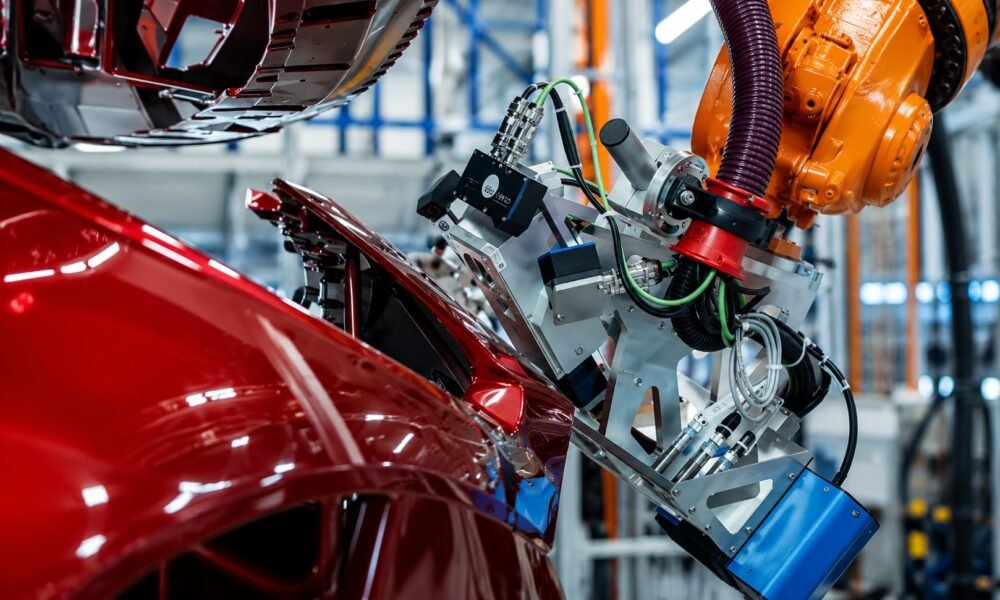
What happened: BMW Leipzig introduced a terahertz-based measurement system for plastic exterior components in series production. The system determines paint layer thickness non-destructively. Technology partner das-Nano developed the measurement system called Irys for industrial inline inspections. The system delivers real-time data during production.
Following successful piloting, the system now operates across all component carrier systems and extends to all colour variants. Leipzig is the first BMW site to integrate terahertz measurement into in-house production.
Why it matters: Previous inspection methods required technicians to use scalpels and microscopy, physically cutting components for examination. This destructive approach generated material waste and identified deviations only at later production stages, limiting intervention opportunities. The new system enables contactless, non-destructive measurement of multi-layer paint systems. Automated inspection provides precise and reproducible quality control directly within the production process. The technology replaces complex manual procedures with fully automated solutions.
Industry context: The system marks progress toward a fully digital paint shop for plastic components at Leipzig. Measurement and quality data are available entirely in digital form, enabling advanced data-supported analysis. Future analysis using AI-based methods will identify deviations early, evaluate trends, and continuously optimize process parameters. The technology is transferable to painted body shops and the broader supplier network. Quality and efficiency gains demonstrated at Leipzig could extend across BMW Group global production operations.
Our take: The deployment demonstrates how non-destructive measurement technologies can eliminate waste while improving quality control precision. Broader adoption depends on whether cost and complexity reductions justify investment beyond pilot facilities.