









India’s 1% GDP Opportunity Is Stuck Inside Its Factories
India may be leaving an economic opportunity stuck on the factory floor and the scale of the problem is significant. According to a recent report, 88% of Indian industrial businesses […]

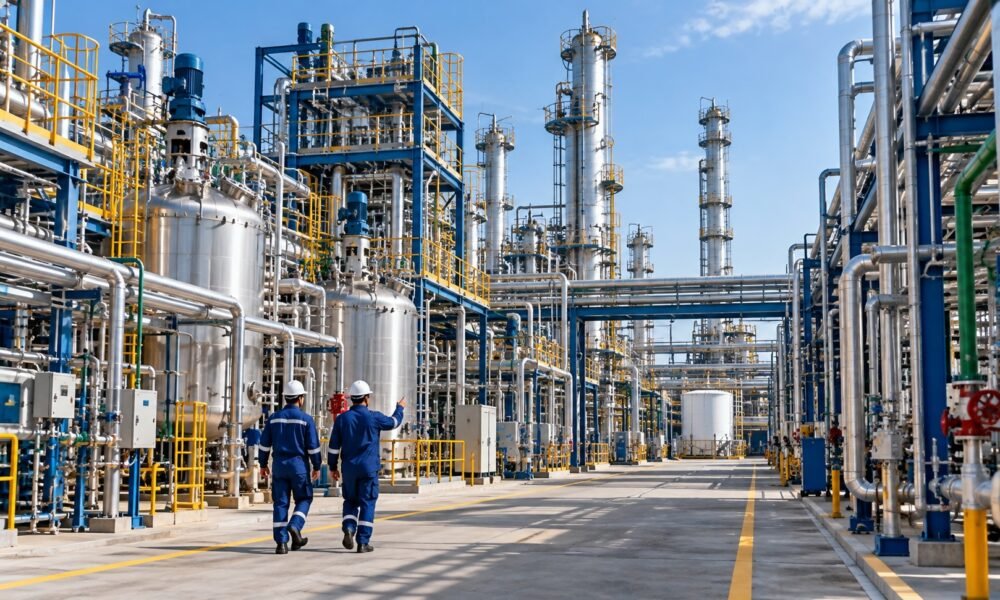
India may be leaving an economic opportunity stuck on the factory floor and the scale of the problem is significant. According to a recent report, 88% of Indian industrial businesses experience unplanned outages every month. Every breakdown can mean more than a stopped machine. It can disrupt production schedules, waste materials, increase maintenance costs and create downstream delays.
That makes industrial maintenance a productivity issue taking it beyond the engineering function. Predictive maintenance is one route to addressing it. Instead of waiting for a motor, pump, compressor or other critical asset to fail, manufacturers can combine sensors, industrial connectivity and analytics to identify abnormal behaviour earlier.
The technology is already moving beyond basic condition monitoring. Modern systems can track vibration, temperature, pressure, energy consumption and other operating parameters, then use analytics or AI to identify patterns that maintenance teams may otherwise miss.
The bigger opportunity comes from connecting this data to actual maintenance decisions.
Manufacturers need systems that can identify the likely problem, estimate its operational impact and feed that information into maintenance planning.
This is where India’s automation push becomes important. PLCs, SCADA, industrial IoT platforms, edge computing and AI can turn equipment data into an operational feedback loop.
There is also a broader economic benefit. Better asset utilisation means manufacturers can potentially increase output without building entirely new production capacity.
Indian manufacturing expansion is therefore not only about adding factories and machines. It is equally about getting more productive hours from the assets already installed.
If even a fraction of today’s downtime can be eliminated, the impact could extend well beyond individual plants. The 1% GDP opportunity is ultimately a reminder that industrial productivity can be improved not only by building more, but by making existing factories run better.