






Top industrial testing equipment companies in India 2026
Explore leading industrial testing equipment companies in India for 2026, including testing, metrology and non-destructive inspection solution providers Quality assurance has become critical for...

Table Of Content
- Why testing equipment matters for Indian industry
- How to choose the right testing equipment
- Industrial testing wquipment companies in India that you should know about
- Keysight
- Fortive
- Mettler-Toledo
- Carl Zeiss
- Hexagon AB
- AMETEK
- Horiba
- Spectris
- Key trends shaping this market
- Frequently asked questions
- 1. What is industrial testing equipment used for?
- 2. Which industries rely heavily on testing equipment?
- 3. What do non-destructive testing companies in India offer?
- 4. What should buyers look for when selecting testing equipment?
- 5. Why is calibration important in testing equipment?
Explore leading industrial testing equipment companies in India for 2026, including testing, metrology and non-destructive inspection solution providers
Quality assurance has become critical for Indian manufacturers as they expand into high-precision exports and regulated markets. Accurate testing is especially important in industries such as automotive, aerospace, electronics, chemicals, energy and pharmaceuticals, where product quality, compliance and operational reliability are essential.
Demand for industrial testing equipment is growing in India. This includes instruments for measurement, inspection, calibration and defect detection. These systems support both laboratory testing and non-destructive testing, helping manufacturers identify faults before products reach customers.
Industrial testing equipment companies are now central to India’s manufacturing and automation ecosystem. Their technologies help manufacturers detect defects early, reduce downtime, improve productivity and strengthen compliance.
This article explains why testing matters, how buyers should evaluate vendors and which companies are important in India’s industrial testing sector.
Why testing equipment matters for Indian industry
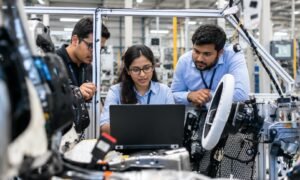
Industrial testing equipment helps ensure quality across the product lifecycle, from raw material inspection to final product validation. As production lines become more automated, testing systems are becoming part of the manufacturing process rather than only laboratory tools.
Testing helps detect defects, ensure process consistency and support regulatory compliance. In industries such as aerospace, automotive and power generation, failures can create serious operational and safety risks.
Non-destructive testing companies in India play an important role in industries where components must be inspected without damage. These companies use techniques such as ultrasonic testing, X-ray inspection, optical metrology and other inspection methods to identify cracks, voids and structural weaknesses.
Testing equipment also supports maintenance. It helps identify wear patterns, calibration drift and early signs of failure before breakdowns occur.
When testing data is combined with Industrial Internet of Things platforms, sensors and quality software, it supports smarter decision-making. For manufacturers focused on exports and digital transformation, testing capability is increasingly important for competitiveness.
How to choose the right testing equipment
Choosing the right testing equipment starts with understanding the application, compliance requirements and operating environment. Buyers should be clear about what they need to test, how accurate the results must be and how the equipment will be used.
The first factor is application fit. Different use cases, such as material testing, dimensional measurement, vibration analysis, calibration or non-destructive inspection, require different types of equipment.
Accuracy and repeatability are also important. Buyers should check measurement precision, calibration requirements and whether the equipment can produce reliable results over time.
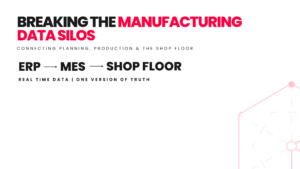
Integration is another key consideration. Testing equipment should connect smoothly with factory systems, quality management software, manufacturing execution systems and data analytics platforms where required. This improves visibility across production and quality control.
After-sales support also matters. Buyers should assess service availability, calibration support, maintenance requirements, spare parts access and operator training.
Other important factors include scalability, software compatibility, data analysis capability, cybersecurity, ease of use and total cost of ownership.
Industrial testing wquipment companies in India that you should know about
Keysight
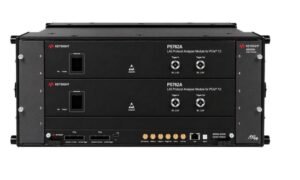
Keysight is a leading name in electronic test and measurement. Keysight Technologies makes equipment used by telecommunications, semiconductor, aerospace and industrial electronics companies. Its tools support signal analysis, device validation and performance testing in demanding environments.
Keysight is relevant for companies manufacturing high-frequency electronics, embedded systems and connected industrial devices. Its strength lies in precision measurement and software-based analysis.
Buyers should assess whether they need advanced testing capabilities, particularly for specialised projects that require exact measurement and validation.
Fortive
Fortive operates across technology, sensing and professional instrumentation. Its brands support calibration, diagnostics, measurement and testing across industrial environments.
Fortive is relevant for facilities that need reliable instrumentation for troubleshooting, maintenance and process reliability. Its broad portfolio can support several testing and measurement requirements.
Buyers should identify which Fortive brand and product line best fits their application, as different brands serve different industrial needs.
Mettler-Toledo
Mettler-Toledo develops laboratory instruments, weighing systems and product inspection technologies. Its equipment is used in food, pharmaceuticals, chemicals and manufacturing environments.
The company is relevant where compliance, weighing accuracy and product quality are critical. Its systems support checkweighing, laboratory analysis, inspection and quality control.
Buyers should assess how Mettler-Toledo systems will integrate with laboratory information systems, production software and quality management platforms.
Carl Zeiss
Carl Zeiss, also known as ZEISS, provides precision measurement and industrial inspection technologies. Its metrology systems help manufacturers verify dimensions, inspect components and ensure product accuracy.
ZEISS plays an important role in industries such as automotive, aerospace and electronics, where small deviations can be costly. The company is known for advanced imaging and measurement capability.
Buyers should ensure that operators have the technical knowledge required to use the systems effectively and interpret results correctly.
Hexagon AB
Hexagon provides metrology technologies, digital reality platforms and industrial measurement solutions. Its systems support inspection, dimensional measurement and production quality control.
Hexagon is relevant for industries that require high-accuracy manufacturing and better visibility into production quality. Its strength lies in combining measurement tools with software and data analysis.
Companies considering Hexagon Industrial should assess implementation complexity, software integration and technical support requirements.
AMETEK
AMETEK manufactures electronic instruments and electromechanical devices used across industries for testing, calibration and monitoring.
The company is relevant for applications that require precise measurement, process monitoring and reliable instrumentation. Its products are used in both laboratory and industrial environments.
Buyers should assess calibration needs, service support and long-term maintenance requirements before investing in AMETEK equipment.
Horiba
Horiba provides measurement and testing systems used in automotive, environmental, scientific and industrial applications. Its technologies support emissions testing, material analysis and performance measurement.
Horiba is relevant for industries that need precise testing and regulatory compliance. Its systems are particularly useful for automotive testing, environmental monitoring and laboratory applications.
Buyers should evaluate laboratory setup requirements, application suitability and long-term service support.
Spectris
Spectris provides precision measurement technologies and software through its specialist brands. Its solutions support materials analysis, machine condition monitoring and process improvement.
Spectris is relevant for manufacturers that want to improve product quality, monitor equipment health and make better use of testing data. Its strength lies in combining instrumentation with analytical software.
Buyers should assess compatibility with existing machines, software platforms and quality systems before implementation.
Key trends shaping this market
Industrial testing in India is becoming more integrated and data-driven.
Smart testing systems are becoming more common. Manufacturers are connecting instruments with platforms for monitoring, reporting and analytics. This gives better visibility into equipment performance and product quality.
Automation and robotics are also changing testing workflows. Automated inspection cells reduce manual work while improving repeatability and throughput.
Artificial intelligence is being used in classification, signal analysis and anomaly detection. AI-assisted testing can reduce false positives and improve inspection consistency.
Cloud-enabled analytics help monitor multi-site manufacturing operations from one place. This supports reporting, compliance management and better decision-making.
Predictive maintenance is another important trend. Testing data can help identify equipment wear, calibration drift and failure risks before breakdowns occur.
Industrial testing equipment is essential for manufacturers that want to improve product quality, safety, reliability and compliance. As production becomes more complex and regulations become stricter, testing systems are becoming more connected, automated and data-driven.
The companies mentioned here offer capabilities across measurement, instrumentation, analysis, inspection and calibration. The right choice depends on testing complexity, plant maturity, integration requirements, budget and after-sales support.
Manufacturers that align testing equipment with broader quality and digital transformation plans will be better positioned to improve performance and maintain consistent product standards.
Frequently asked questions
1. What is industrial testing equipment used for?
Industrial testing equipment is used to inspect, measure, analyse and validate products, materials and processes for quality, safety and compliance.
2. Which industries rely heavily on testing equipment?
Industries such as automotive, aerospace, electronics, pharmaceuticals, chemicals and energy rely heavily on testing systems.
3. What do non-destructive testing companies in India offer?
Non-destructive testing companies offer inspection technologies that detect defects without damaging components. These may include ultrasonic testing, X-ray inspection, optical measurement and other inspection methods.
4. What should buyers look for when selecting testing equipment?
Buyers should prioritise accuracy, repeatability, calibration support, service availability, scalability, integration capability and total lifecycle cost.
5. Why is calibration important in testing equipment?
Calibration ensures that testing equipment continues to provide accurate and reliable results over time. This is important for quality control, compliance and repeatable manufacturing outcomes.