The Case for Virtual Sandboxes
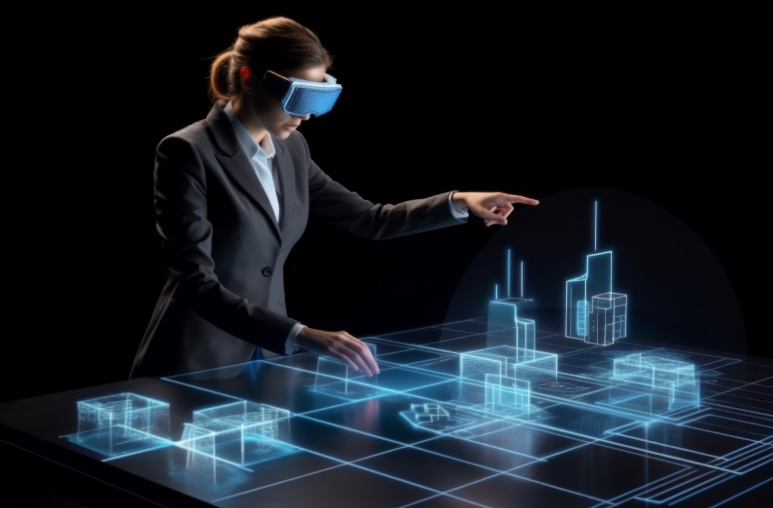
Traditional process improvements required on-the-fly adjustments—and risked costly downtime or product rejects. Digital twins invert this paradigm. By recreating entire plants in virtual environments, they let engineers test “what-if” scenarios—changing schedules, swapping equipment, or refining control recipes—without touching a lever on the shop floor.
The result: sustained production and fewer off-spec batches.
Synchronization: The Pulse of Accuracy
A model is only as good as its data. Continuous synchronization between physical assets and their digital counterparts ensures fidelity. Smart sensors, OPC UA interfaces, and MQTT brokers stream live telemetry—temperatures, pressures, throughput rates—into the twin.
For example, an edge-based architecture can capture cycle times and vibration metrics from CNC machines, feeding them into the twin every second. When a particular reading breaches defined thresholds, the virtual model flags increased tool wear risk, allowing maintenance to preemptively act—averting lacs in lost output.
From Simulation to Automation
Simulations alone can drive insight—but integration is still needed to turn insight into action. Twin-driven automation scripts—control sequences refined in the digital realm—can deploy directly to PLCs and DCS controllers. This seamless pipeline trims manual programming and commissioning time dramatically.
Consider a chemical plant that uses its twin to optimize heating profiles across reactors. Automated scripts, validated virtually, pushed new control logic to real controllers overnight. The automation scripts worked immediately, thanks to rigorous twin-based testing.
The Strategic Payoff
Digital twins deliver benefits on three fronts:
-
Risk Mitigation: Virtual testing avoids production halts and quality losses.
-
Operational Speed: Scenario testing that once took weeks can run in hours, translating insights into rapid deployments.
-
Continuous Improvement: Live-twin feedback loops spawn perpetual refinements—in energy use, yield, and maintenance schedules.
Barriers and Enablers
Despite clear upside, adoption hurdles remain. Legacy assets lack native digital interfaces, requiring retrofit gateways that can cost tens of lakh per line. Data maturity varies, and organizational silos often impede cross-functional collaboration essential for twin projects.
However, government-backed initiatives such as the Smart India Mission and Digital India initiative offer subsidies and testbeds for Industry 4.0 pilots. Partnerships between OEMs (Siemens Digital Industries, ABB Ability) and Indian integrators (Tata Consultancy Services, L&T Technology Services) lower entry barriers by bundling hardware, software, and services into turnkey solutions.
Looking Ahead: A Virtual-First Mindset
Digital twins require a mindset shift. Factories that embrace virtual-first approaches move from reactive to proactive operations. Engineers become data scientists—using live models to explore optimization opportunities. Maintenance teams level up from break-fix to predict-and-prescribe.
For India’s manufacturing leadership, the implication is profound. In an economy racing toward scale and net-zero commitments, virtual experimentation offers a fast lane to performance improvements that once seemed out of reach. Plants that integrate twins into their DNA—making simulation, synchronization, and automated rollout routine—will outpace peers in efficiency, agility, and innovation.